
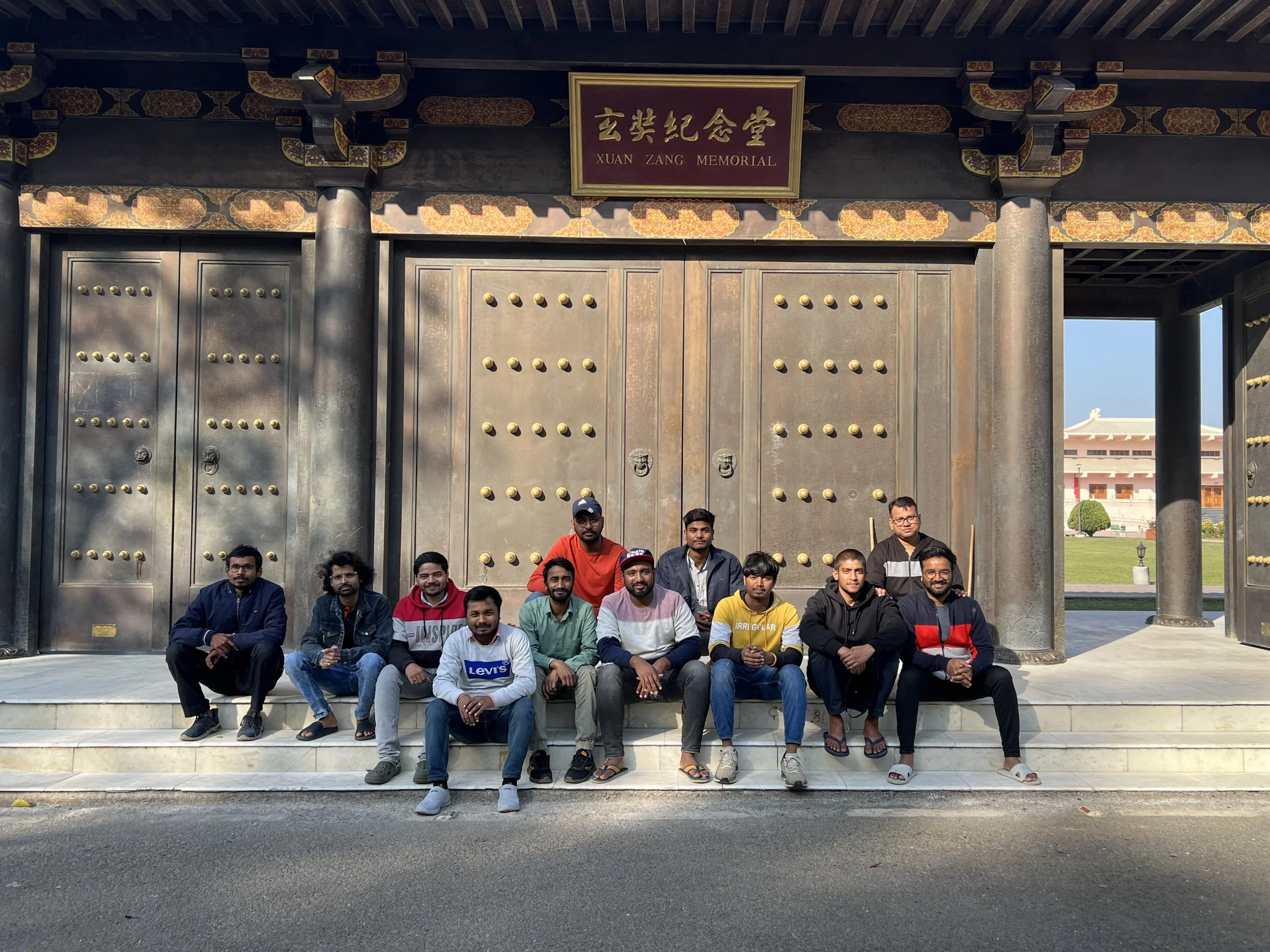
EXPERIMENTS & LESSONS FROM MY SABBATICAL:
Systems Thinking, India, AI, & Building From First Principles
Over the past year and a half, I stepped away from a traditional career track and ran a series of personal experiments across AI, design, finance, and travel, as a deliberate attempt to understand systems at ground level: people, markets, tools, and myself.
Below is a collection of my observations, experiments, prototypes, and shifts in how I approach problems.
Traveling Across India & Talking to Strangers
I went on a solo backpacking trip from the east (Odisha) to the north (Delhi) of India to explore the Indian culture and way of life. I got a chance to get to know many people from different walks of life and learn about their pursuits, and the socio-economics of the places they come from and live in.
Entrepreneurship and SMBs are the soul of the nation
I saw firsthand that a big part of India runs on small businesses - manufacturers, retailers, vendors, transporters. They are highly adaptive micro-systems operating on thin margins, resilience, trust, and a deep understanding of the customer.
I realized that building for India needs moving away from the idealized business models and beginning with understanding how value is created and exchanged.


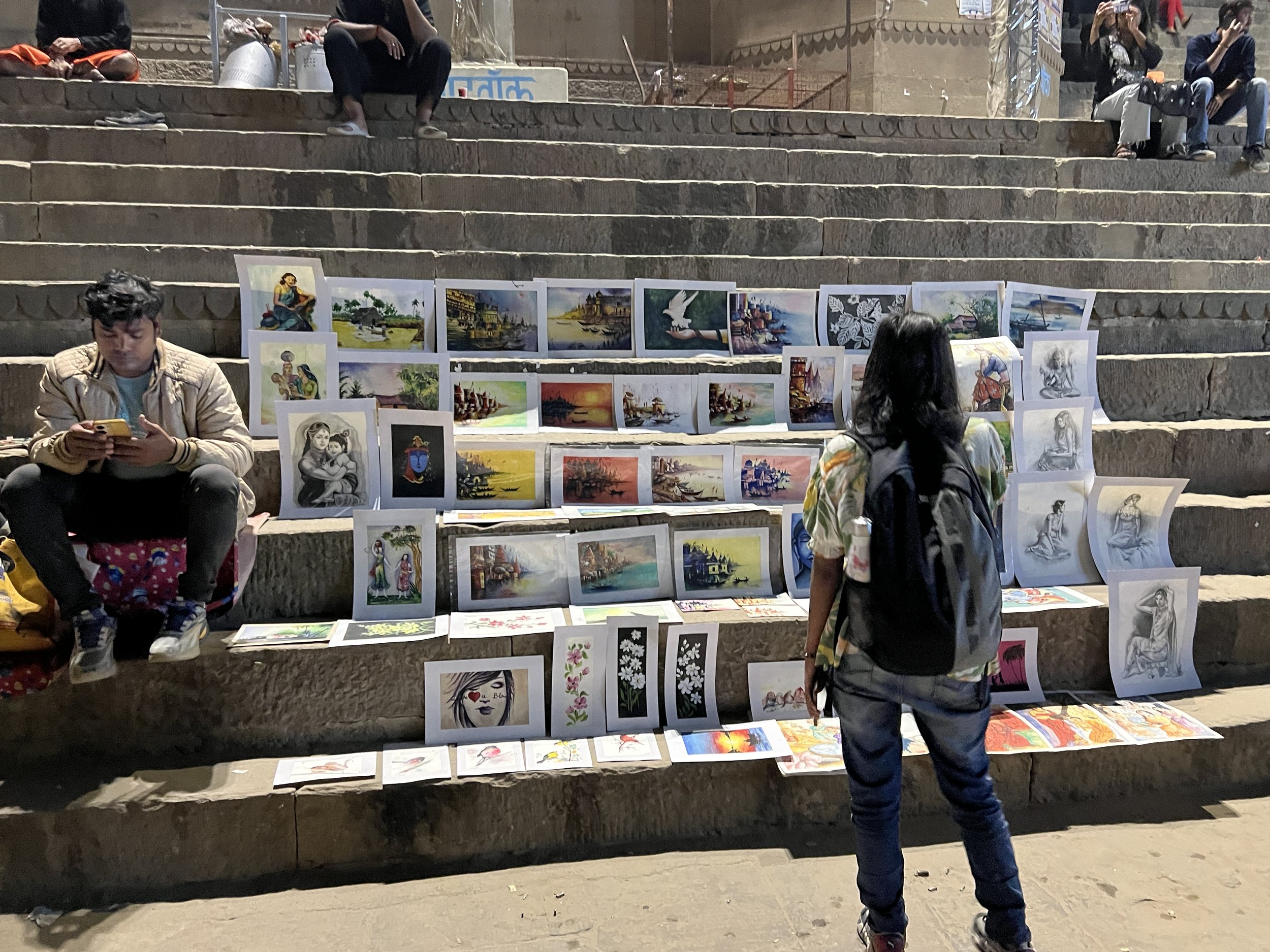
Trade centres like these across Indian cities and towns are the hub for the best deals and bargains, where even the upper-middle class still shops.
A story that surprised me was of a roadside “10 rupees biryani” vendor who earns in crores every year - not kidding!
Beautiful minds, limited opportunities
Traveling through the states of Bihar and UP, I encountered some of the sharpest thinkers I’ve met - students, aspirants, self-learners, spiritual-seekers. Despite their abundant talent, the lack of infrastructure and economic drivers causes them to either settle or seek opportunities elsewhere.
It made me rethink an individual’s potential as a function of the environment they’re in, not just their ability.
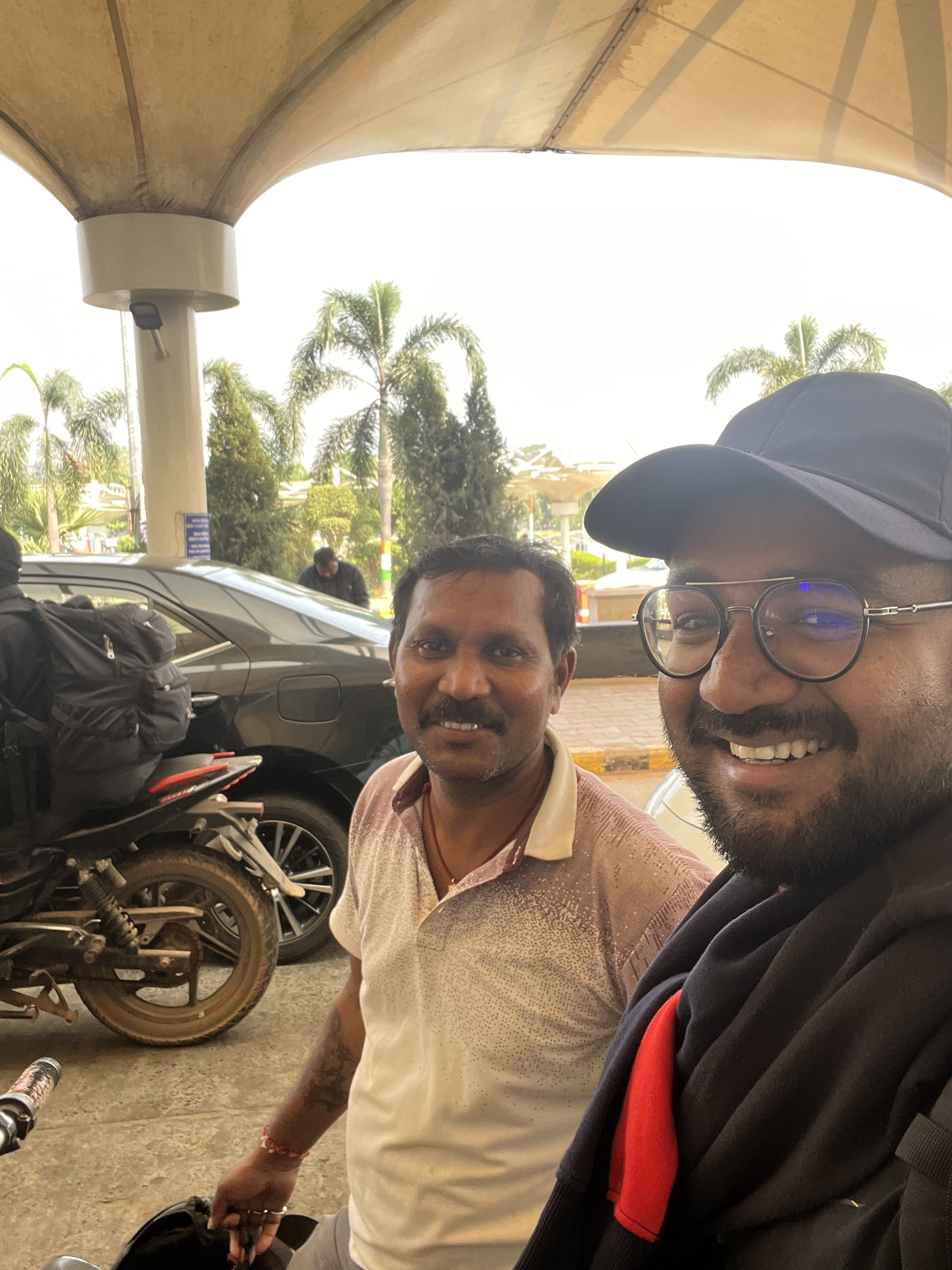
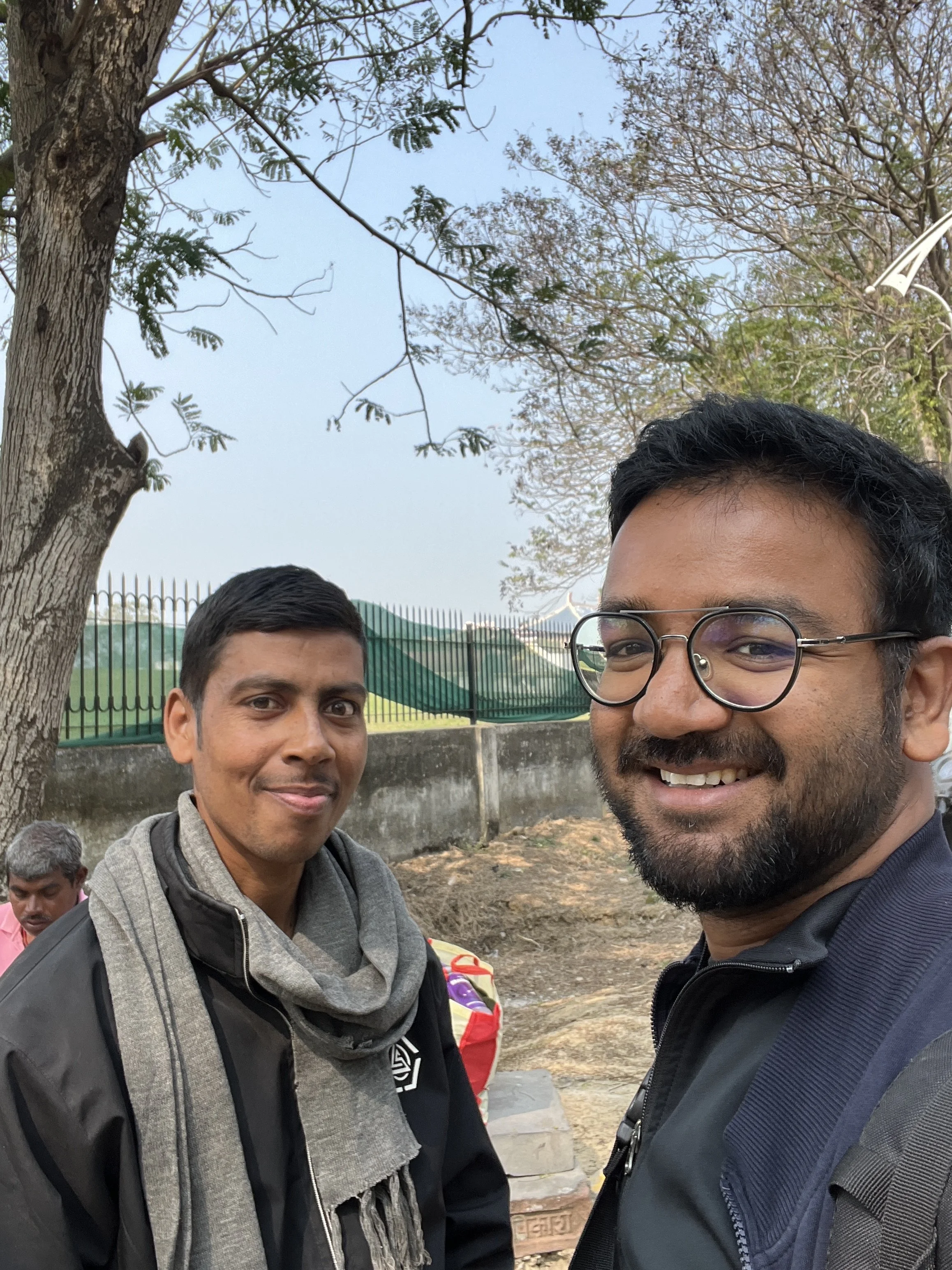
Wonderful people and places that inspired me.









Multilingual is the foundation for mass adoption
Across the Indian states, language is not just a layer of communication - it defines trust. If you can speak their language, people tend to see you as one of theirs.
In many product categories, english-first thinking immediately excludes a majority of high-intent users.
And multi-language support is a frontier that modern-day LLMs are poised to help pioneer.
Value > convenience
Unlike Western markets, where convenience is often prioritized over cost, most Indians optimize for value. People are willing to tolerate friction if the perceived value is high.
Longer shipping times are traded off for cheaper costing products (Meesho)
American food chains that thrive in India (like McDonald's and KFC) are often affordable and localized to Indian tastes.
On the contrary, the explosion of Quick commerce (Blinkit, Zepto) shows how people are also willing to pay the premium for time and convenience
Value in India is a function of time, money, and effort. Where one or more of them are traded off for the other. This reframed how I think about product-market fit in India.
An McDonald’s India menu from 2008 with affordable and Indianised options
The tech adoption gap
Even where smartphones are ubiquitous in India, meaningful tech adoption has not permeated. I saw businesses managing operations via paper records and memory.
The gap exists because of the lack of either usability, trust, or alignment with their modus operandi.
Disconnected data → AI opportunity
Government offices and SMBs in India both suffer from fragmented, non-standardized data. Files, spreadsheets, and records exist, but rarely talk to each other.
This is where AI, specifically lightweight knowledge assistants, can create real leverage: not by generating content, but by converting what already exists into knowledge and making it accessible.
AI: From Curiosity to Obsession
Learning AI by breaking it
As someone who studied AI and ML back in 2015 at IUB, my approach to AI this time around was rather about testing it to see where it breaks. I started by integrating AI (ChatGPT and Gemini) into my daily workflows. I used them as a thinking tool, a research assistant, and a collaborator. I learnt from several tech blogs and videos to strengthen my AI foundations and keep abreast with the emerging paradigms within AI. Over time, I developed an intuition for its strengths, limitations, and future trajectories.
Identifying real gaps
Beyond exploring ChatGPT and Gemini, I also experimented with niche AI products and models, like NotebookLLM, Cursor, Lovable, Ollama-hosted SLMs, RAG workflows, Notion AI, Peepali, AnythingLLM, etc.
I found that most such emerging AI products felt promising, but disconnected from real use cases. I realized that the gap was in the proper integration of AI into everyday use cases.
Learning AI by building it - Personal Knowledge Assistants, and Knowledge Management Tools
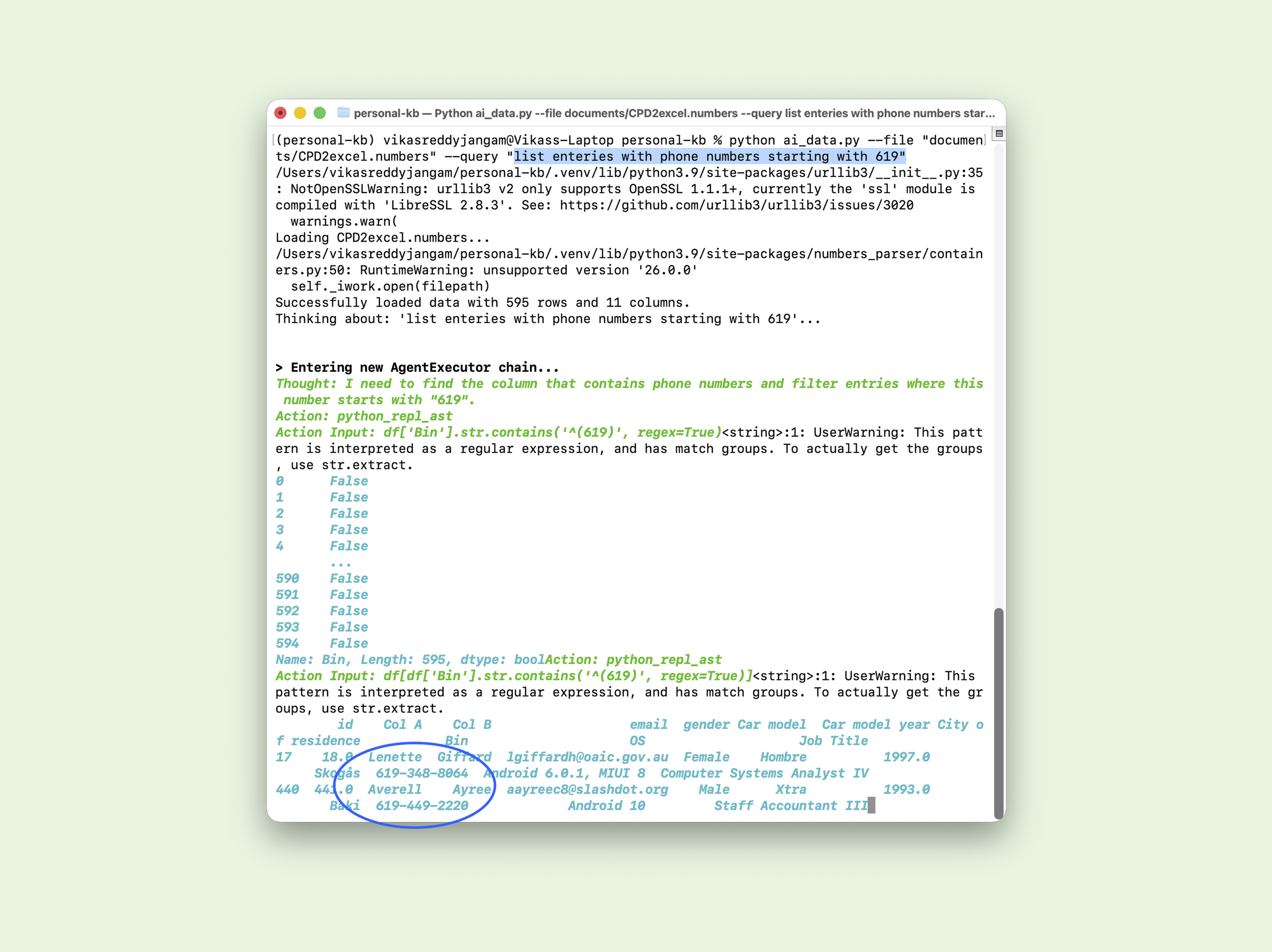
Personal Knowledge Assistants became my core obsession: lightweight, local-first knowledge assistants that transform my data - documents, spreadsheets, and notes into a knowledge base I can talk to, and the responses are private, personal, and context-aware! I started developing a RAG and SLM-based Personal Knowledge Assistant that currently lets me query and interact with my personal documents and spreadsheets. View project.
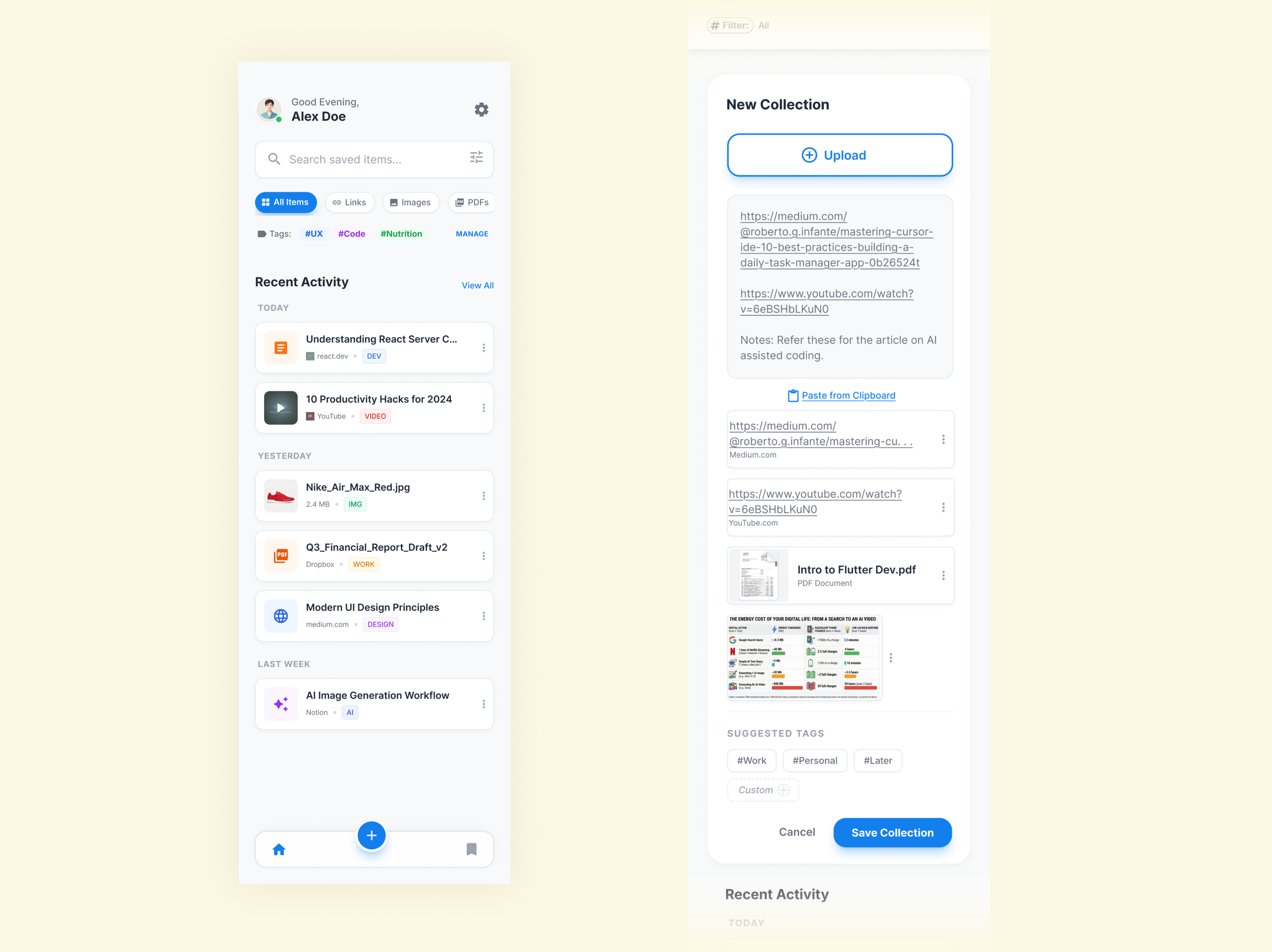
Knowledge Management Tools: Another idea I have been pondering for over a decade is to create an ideal solution for effortlessly collecting and intuitively retrieving digital data that matters to us. Data could be bookmarks of websites, apps, videos, social media posts, documents, journals, etc. So I started building it with the help of AI - an AI-Powered SaaS knowledge collection and retrieval service that allows users to collect a variety of digital data over time, and intuitively retrieve information from it via natural language chat-like queries, powered by AI models. View project
A CLI based Personal Knowledge Assistant
AI-Powered SaaS for data collection and retrieval
Building a controlled AI development environment
As I was building with Cursor as my IDE, I started to notice the limitations of AI-assisted builds- context limits, hallucinations, and scope drift. With a vague prompt, AI tends to make critical decisions without asking, often leading to breakdowns and rework.
So instead of adapting to these limitations, I aimed to design around them. With some research (even before CLAUDE.md was introduced), I designed a structured build environment where context is tightly managed using .md files, token usage is optimized, and coding sprints are constrained, leading to a system that makes the AI models predictable enough to build production-grade applications using them.
My Cursor terminal showing the project setup that enforces version controlled, founder-driven, context-independent build environment
Interior Design: Thinking in 3D
In contrast to the green and bright living spaces I was used to in the United States, my family home in India is in a close-knit suburban community with little light or greenery.
My idea to build myself a loft on the terrace as my sanctuary and creative space turned into an exciting project of three-dimensional creative problem-solving.
Designing spaces from constraints
Instead of thinking about interiors in terms of aesthetics, I started by solving the constraints of structure, function, and space. Learning SketchUp allowed me to design a loft and a few custom furniture pieces suiting my needs, taste, and the space constraints.
From models to renders using AI
I then used AI tools to render the SketchUp 3D designs I built into realistic visuals. See renders below. I have designed everything except the orange sofa seen in these renders!
Thinking about AI’s future, impact, and the utility in everyday lives
I explored the following topics and ideas through writing and designing:
Is AGI really the future of AI we need? - Exploring alternate paradigms. The article discusses emerging AI models and their applications beyond mainstream generative AI, coding, and image generation. And about the race to AGI, its challenges, risks, and ecological and economic impacts. View article
The Siri we need: Everyday-AI for us all is an ongoing collection of ideas and inspirations on how AI-powered applications and devices could actually help us become more productive and organized. View on LinkedIn
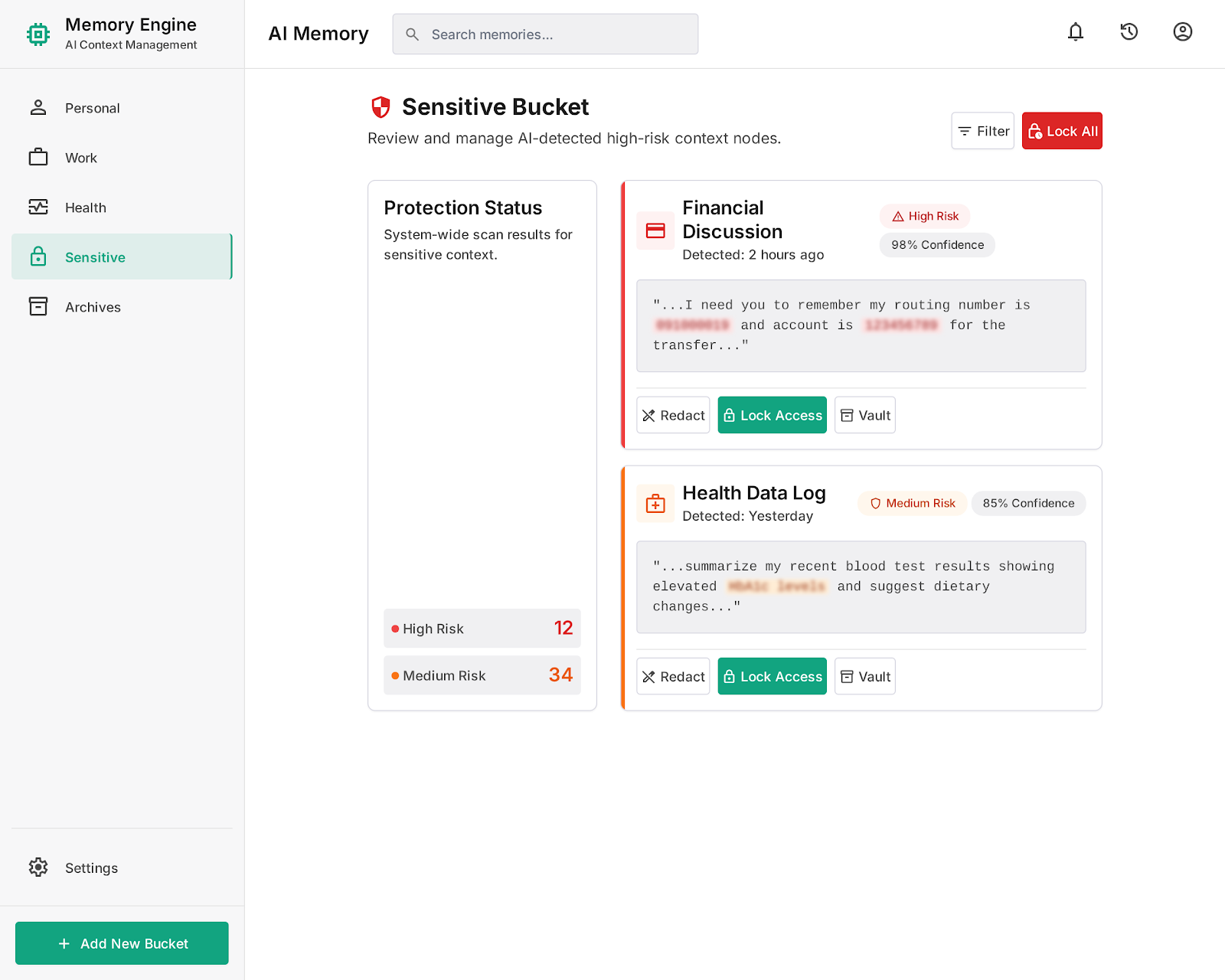
A GenAI user can manage the sensitive information (personal information, preferences, etc.) that the AI model has learnt about them.
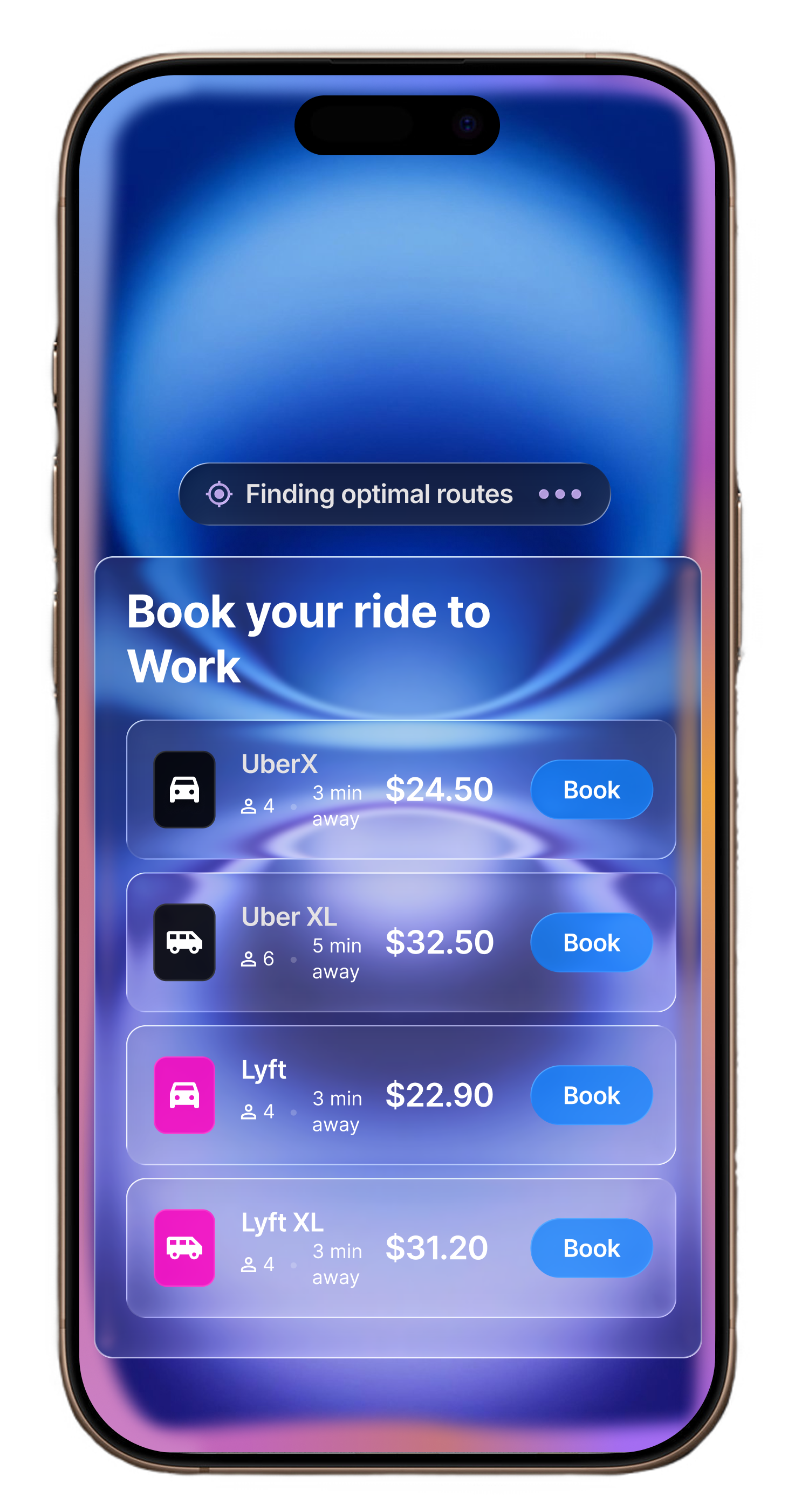
An AI-powered SIRI concept: Siri can directly serve user requests like booking a cab or a movie ticket, by talking directly to apps and services in the background.

A linen/jute based custom sofa design and a suede leather and natural coconut rope textured side table

Every item in this image, except the sofa, is designed by me

A mini-bar designed by me to meet the space requirements and style
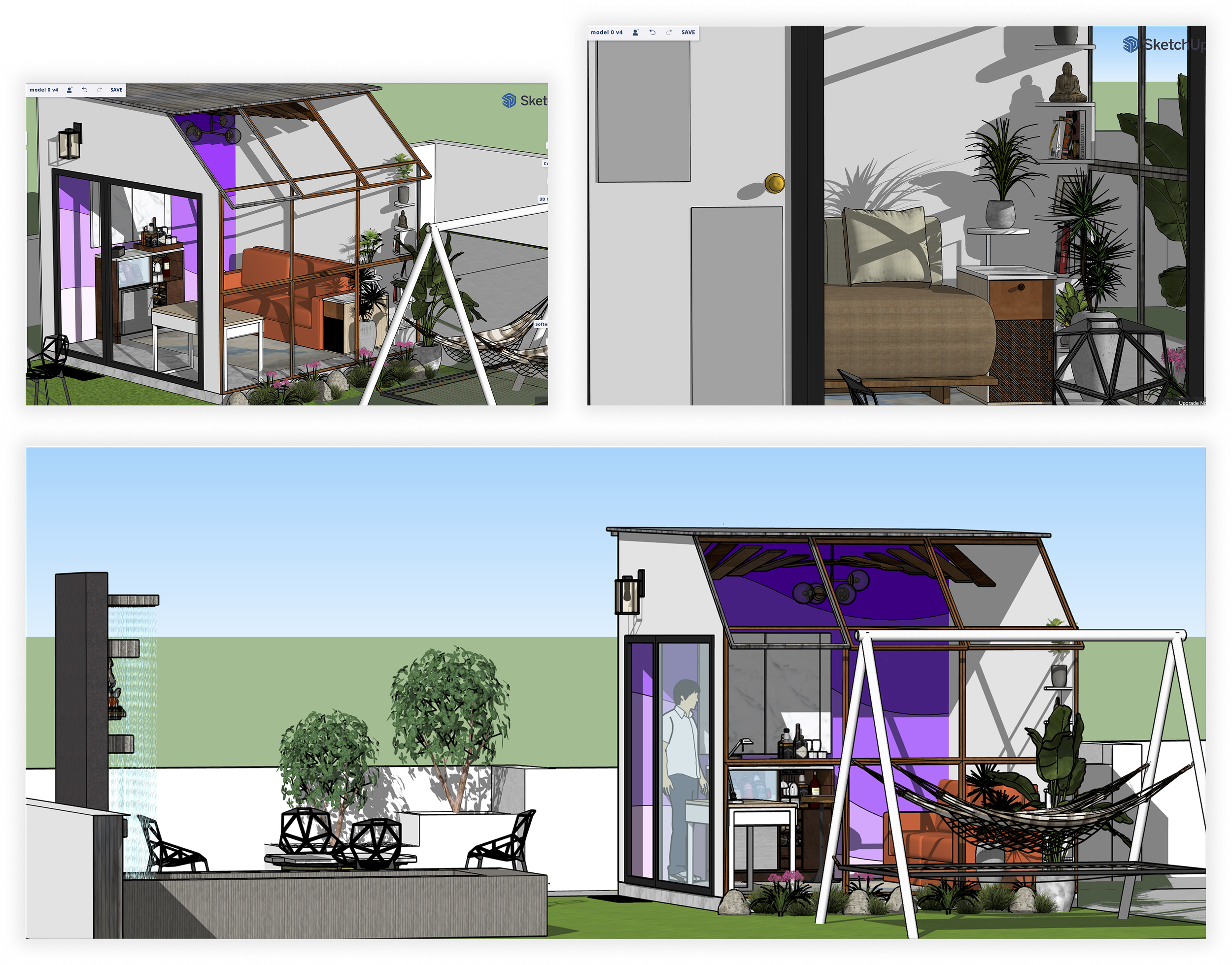
The original SketchUp model created by me and used for the renders

Realistic render of the outside view of the SketchUp design
Finances: Learning the Markets from Scratch
Understanding markets as systems, not signals
I approached the stock market not as a trader, but as a system to decode. It’s price movements, sentiment, hype-cycles, and macro triggers. Over time, I realized markets are less about prediction and more about building -
A clearer model of cause and effect.
Learning faster with AI
I used AI extensively to understand the concepts, simulate scenarios, and analyze patterns. I built an interactive loop of asking questions, validating assumptions, and iterating quickly.
<<Paste a few prompts>>
Designing solutions for real gaps
As I kept learning, the systems-thinker and designer in me couldn’t help but discover gaps and develop product ideas to address problems I personally faced:
A unified investments tracker that helps with DCA calculations and tracking P/L of stocks held in different trading accounts
A commodity ETF parity calculator and guide that helps understand the investments in commodity markets and find arbitrage opportunities
A system to spot early trends in markets, geopolitical matters, etc., that could affect particular stocks or market segments of interest
A retrospective analysis tool of past events vs price movements of particular stocks or sectors
Each of these came from friction, not ideas .
What I’m Building Now
The experiments are now converging into a few products:
Easyport - AI-Powered Personal Data Management Hub: A structured way to store and intuitively retrieve digital assets like bookmarks, files, and notes without losing context.
Personal Knowledge Assistant (RAG on SLMs): a local-first system for querying and interacting with personal documents and datasets.
Gold ETF Parity Calculator: A focused financial tool built from specific gaps I observed in commodity market investing.
Reflection
This sabbatical wasn’t about stepping away ; it was about stepping closer.
Closer to understanding how people live, how systems behave, and how AI-powered SaaS, D2C, and AI tools can actually help people.