DESIGNING AN AUTOMATIC BILL PAYMENT SYSTEM
Product Strategy & Design
AEP is a leading electricity provider in the midwest area. AEP wanted to move away from a third party vendor and build their own software for automatic bill payments. As the lead designer on the project, I worked with the PO, team and several other internal stakeholders to define the UX strategy for the product and also designed the product.
12 weeks
Product owner
Lead designer (me)
Agile dev team
- Product strategy & design
- Guerilla research
- Stakeholder alignment
- Tech. feasability evaluation
Getting Started - Understanding the tech
As with many traditional companies, AEP’s infrastructure was built over several years. This meant there were a lot of technical limitations about what could be implemented or changed.
I started by getting to know the team and learning about the overarching IT infrastructure from them. Over a few meetings with the product owner and the rest of the dev team, I started gaining a good understanding of what can and can’t be done with auto-pay.
Understanding the problem space
Given the limited budget allocated for the project, a detailed user research was out of the question, but there were concerns about automatic payments, particularly those of AEP’s, which I felt needed to be answered.
As an alternative, I proposed a gorilla-style research study to identify the most pressing issues AEP customers were facing around automatic payments. And lo and behold, the cafeteria space gave me access to hundreds of AEP employees who were also AEP’s loyal customers! After talking to a decent number of people, I discovered some key problems users face:
Some users did not know AEP was offering a free auto-pay option at all.
The existing auto-pay took much longer than the user’s expectation to get activated. Many avoided it because of that.
Users had concerns about situations where there were not enough funds in the account or if a payment went through on time.
They felt that it was more difficult to manage auto-pay than it was to make monthly payments by themselves.
These findings helped us improve the design for auto-pay even further, as I was iterating on it with feedback from product owners and further gorilla-type usability testing. In the meantime, I started learning about where the auto-pay fits into the entire AEP eco-system, especially that of the bill payment experience.
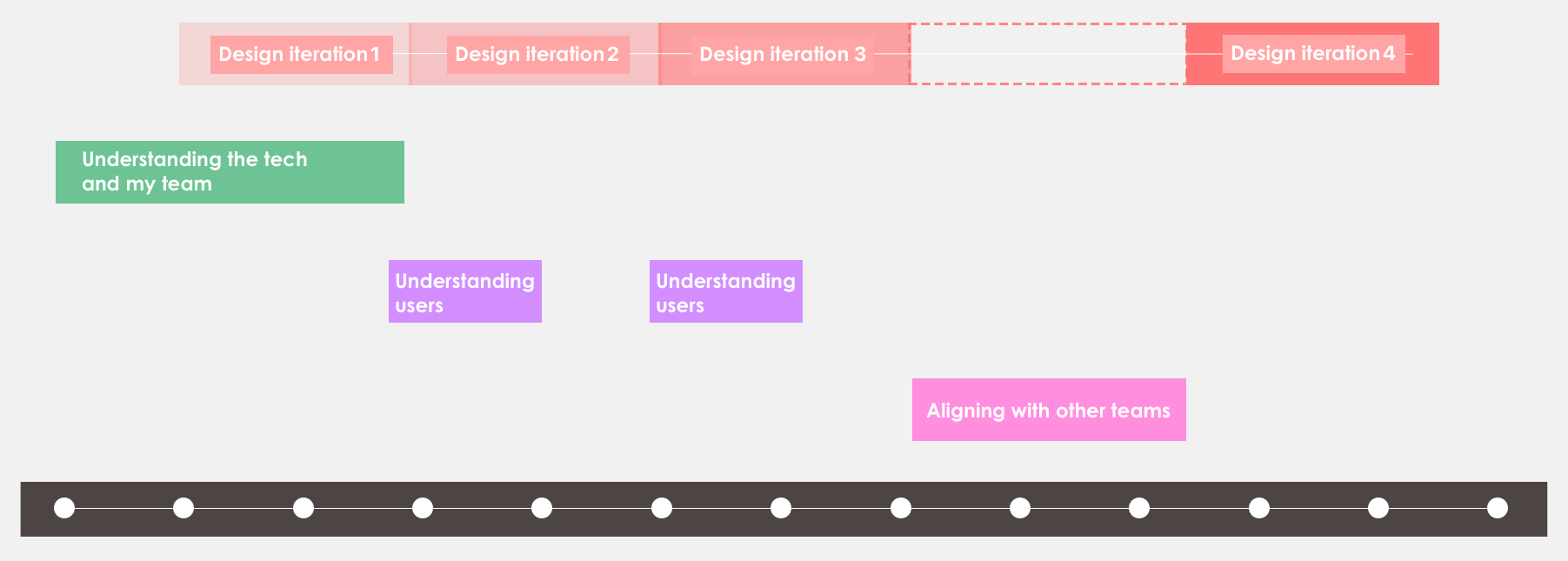
Project Iterations Timeline
Understanding business needs
AEP offers several payment offers
AEP offered several bill payment options other than automatic payments. After studying all of them, I learned that they all come with varying levels of cost and convenience to the user.
AEP’s multiple payment options were managed by a different team, which meant that the teams often compete for web presence and resources. I proposed a stakeholder alignment workshop, suggesting that all the teams owning different payment options align to a common vision, so that the new auto-pay feature serves everyone’s best interests.
Stakeholder alignment workshop
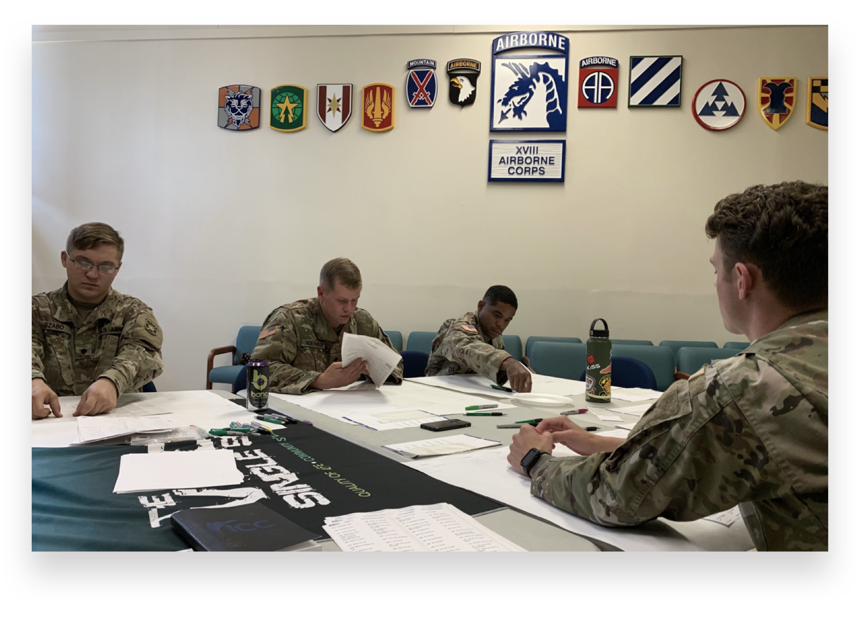
We brought in product owners and directors across the board under the same room to talk about a few things related to bill payments, including auto-pay:
How much do we promote auto-pay over other options?
Assessment of revenue vs customer experience across all payment options
Envisioning the ideal payment options page and bill payment experience.
Feedback on auto-pay concepts designed thus far
I used this design probe depicting a unified payments workflow during the workshop.
Stakeholders thought this was a distant dream, but it encouraged them all to envision a shared future for the payments workflow experience
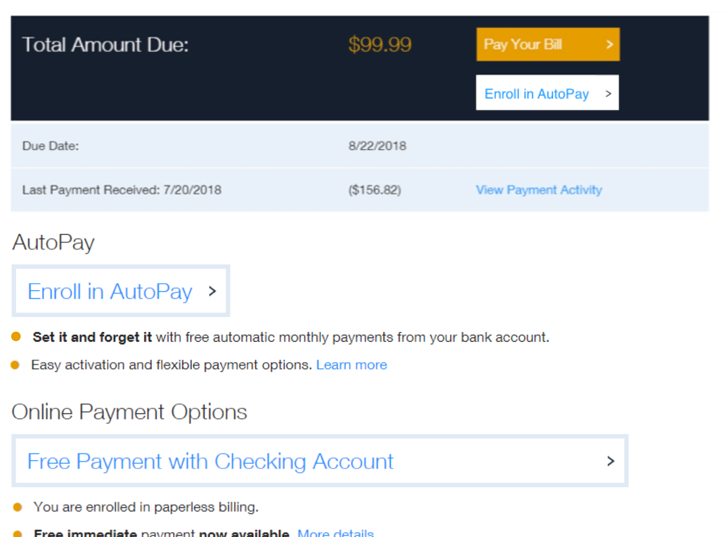
A design probe showing autopay as the primary payment option.
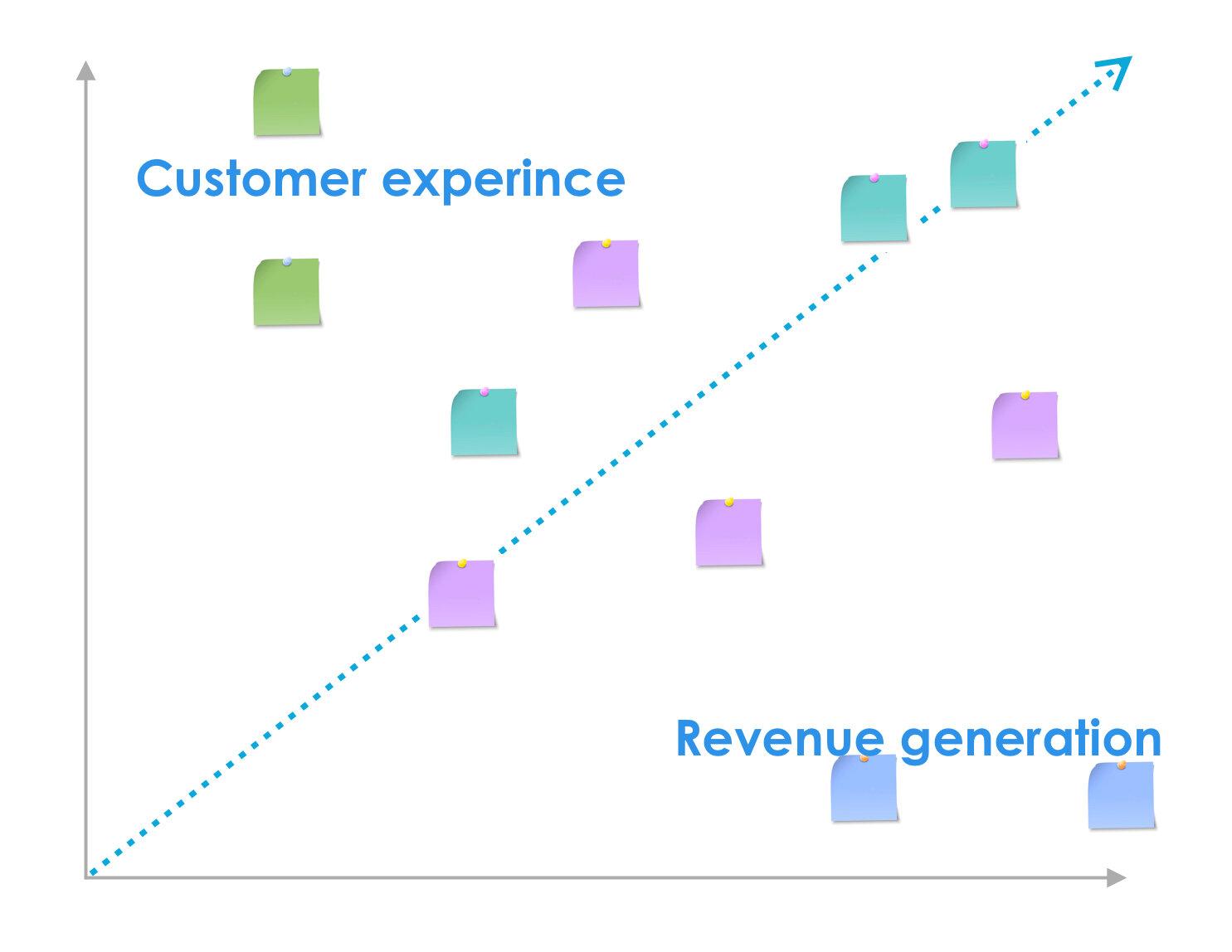
I conducted a Prioritization Matrix mapping exercise conducted by me with stakeholders to assess each payment option. Each color represents a unique payment option.
Impact of the workshop
The biggest win for our team was that all the stakeholders unanimously decided that auto-pay should be promoted over other options.
Teams for the first time co-designed a unified payments experience AEP customers could have.
And ultimately, we left the workshop much more informed about the feasibility of the design for auto-pay we had thus far
Final Design
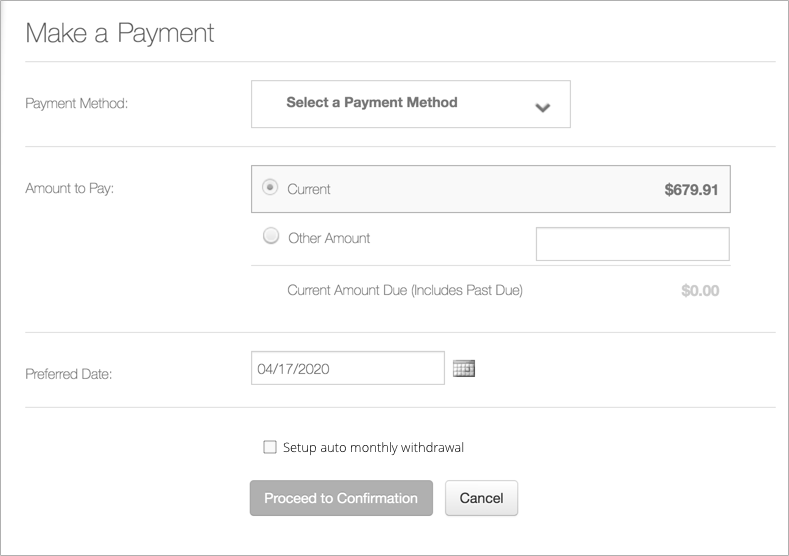
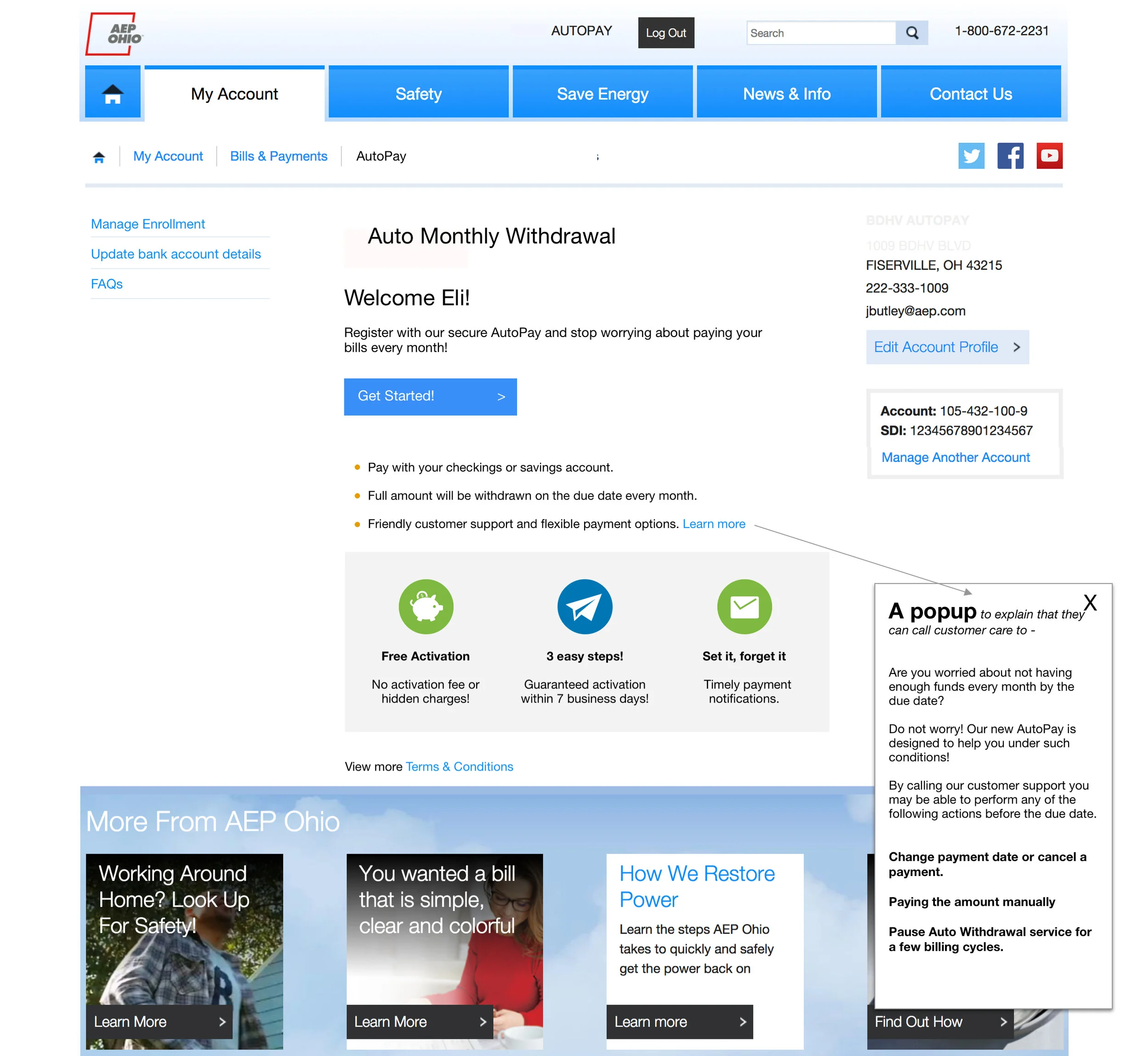
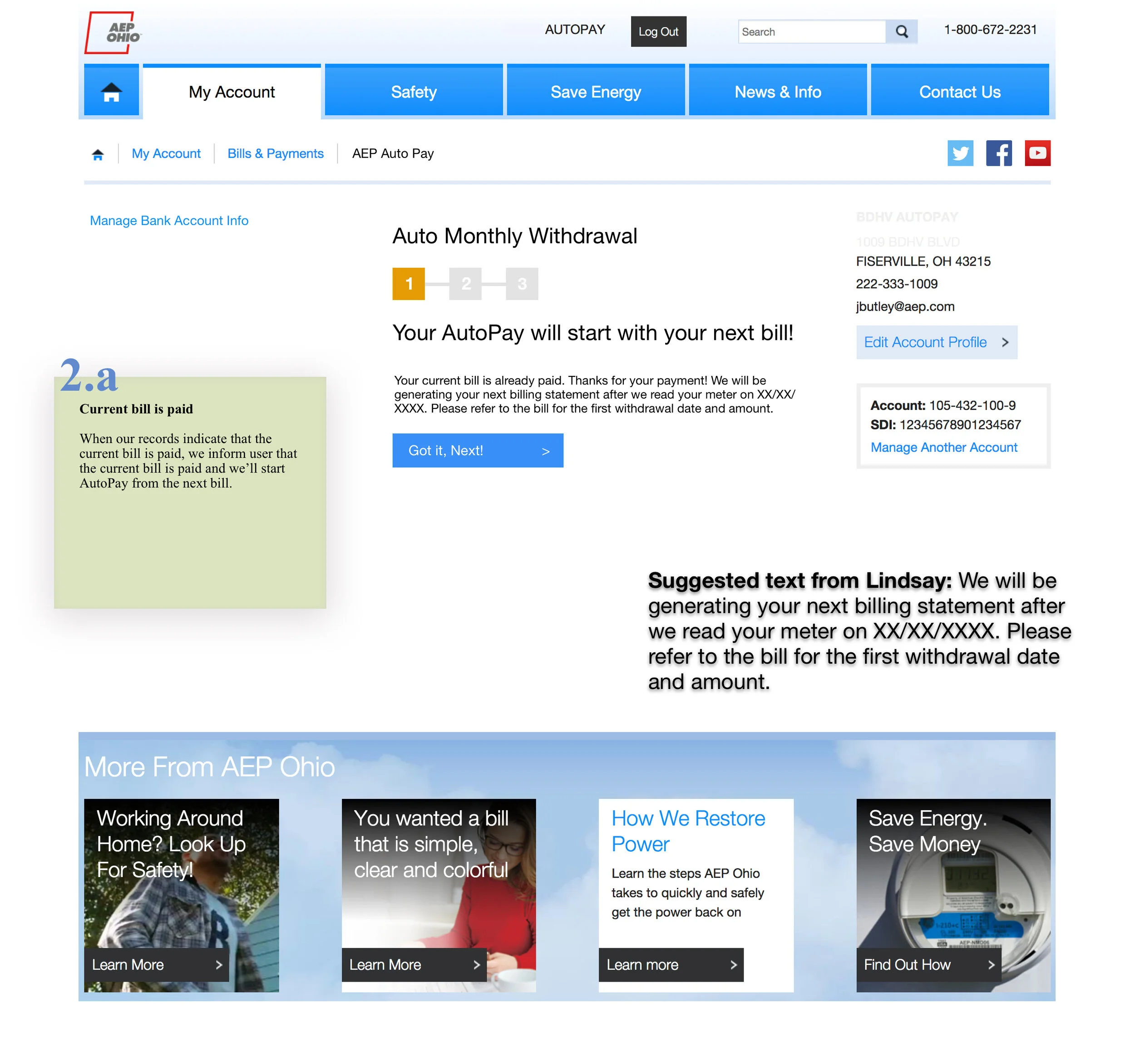
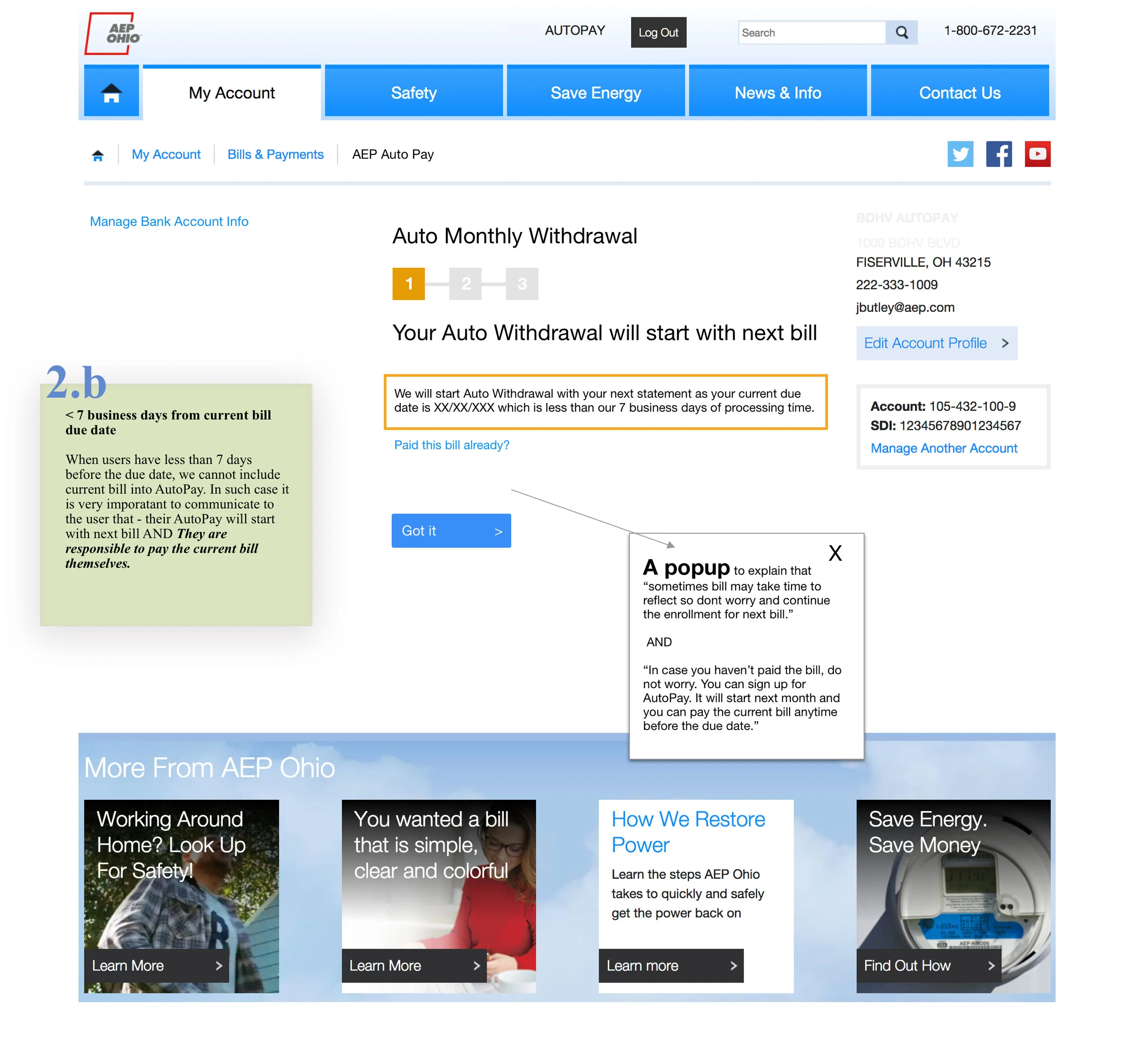
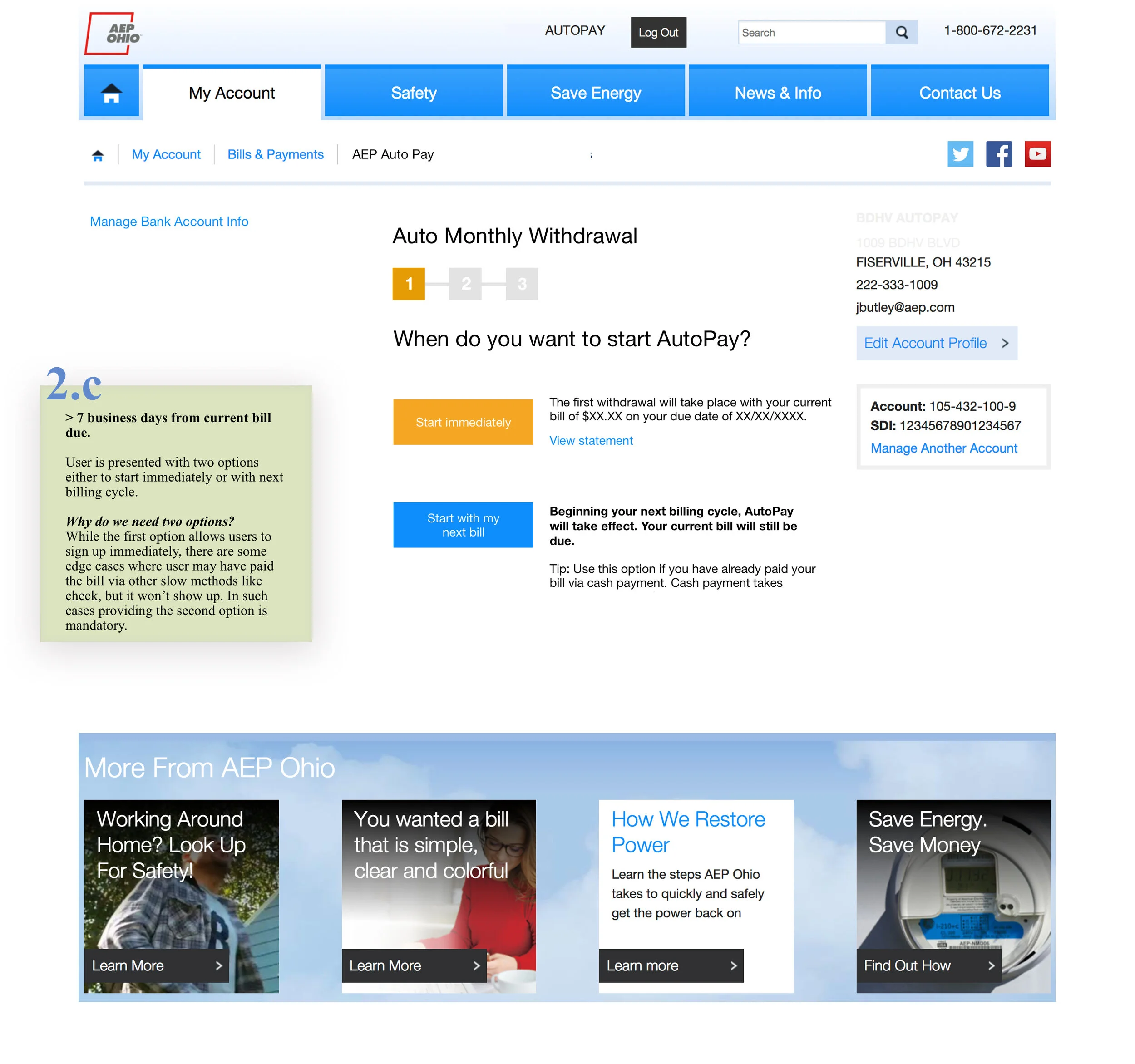
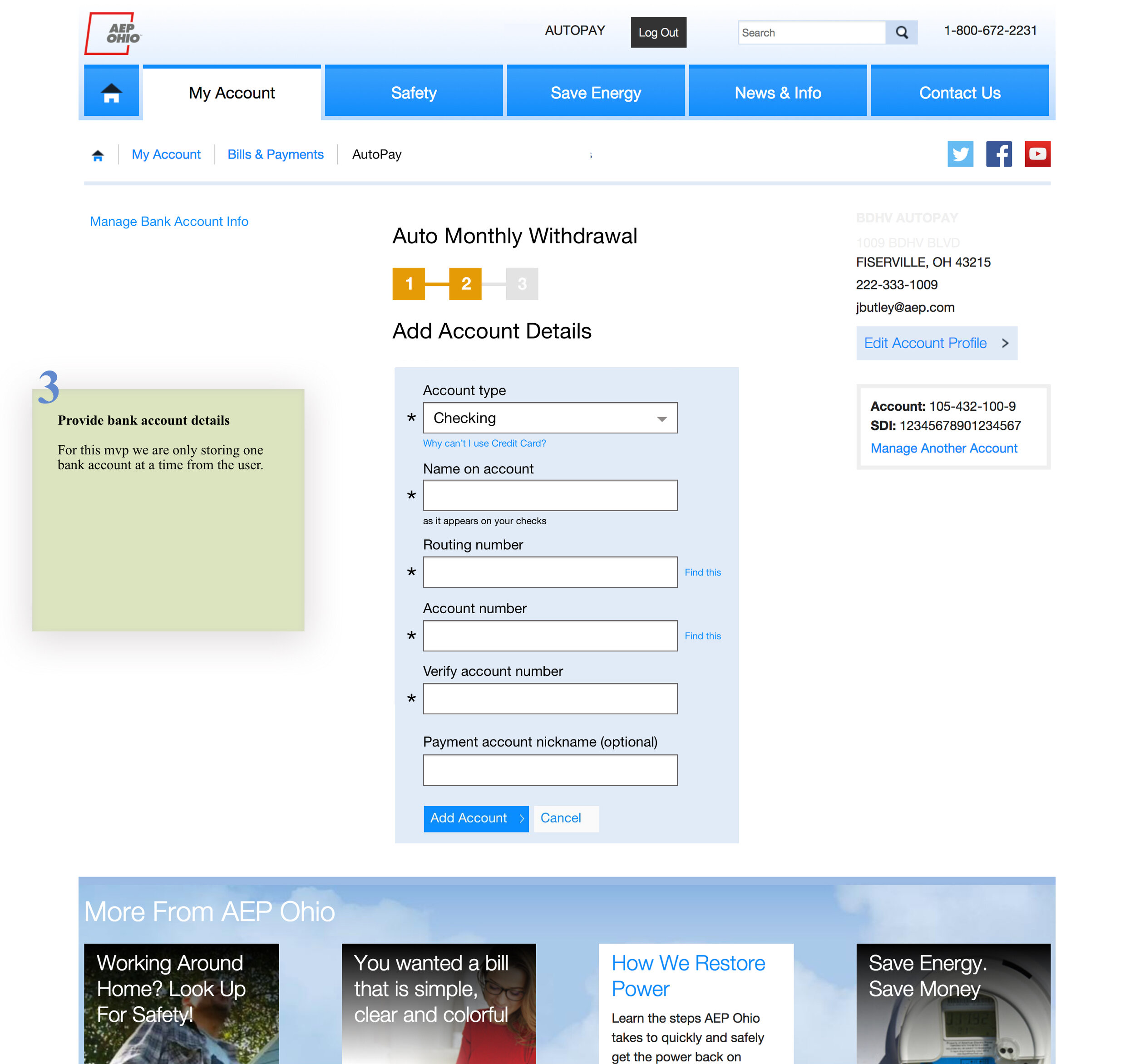
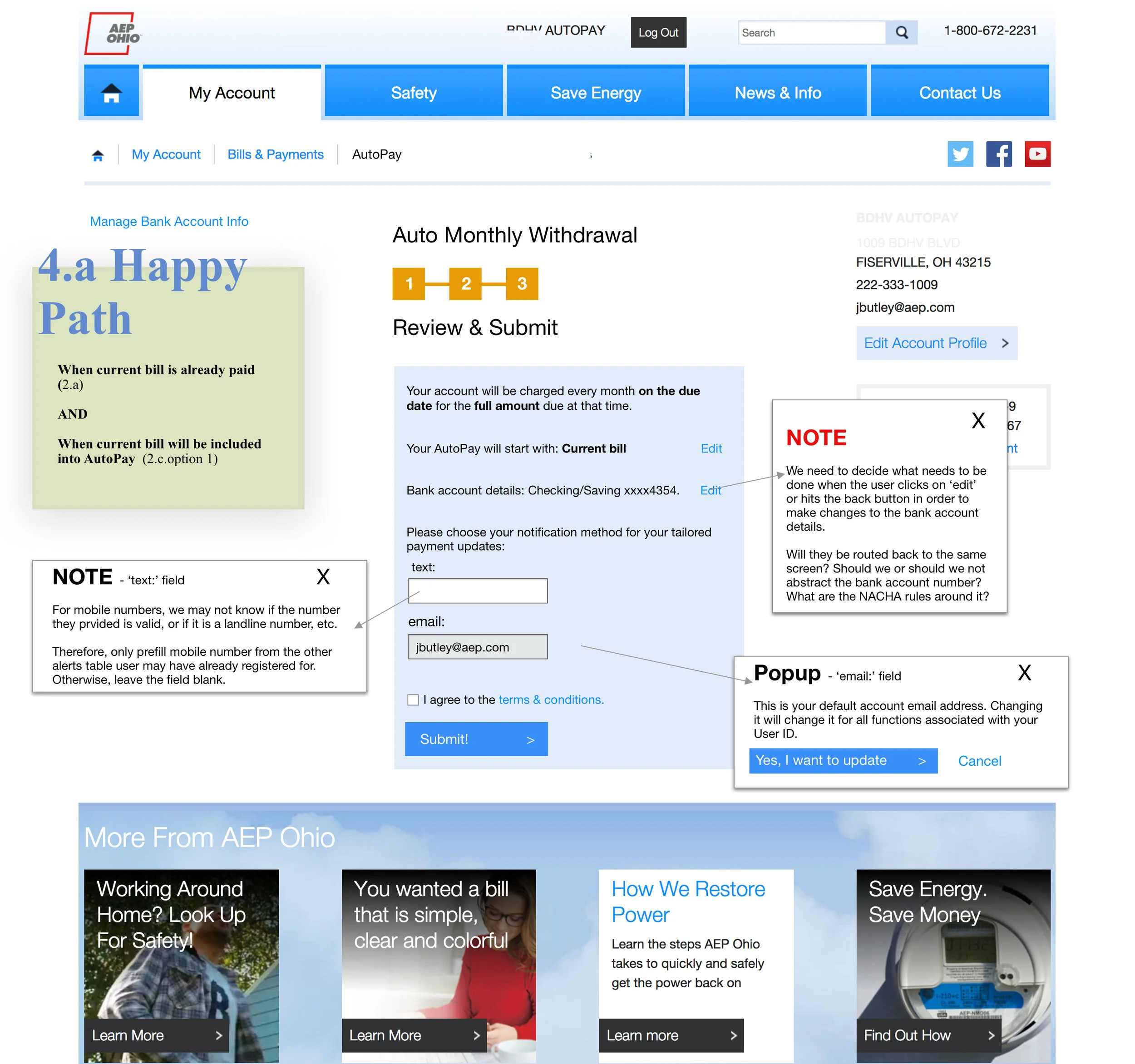
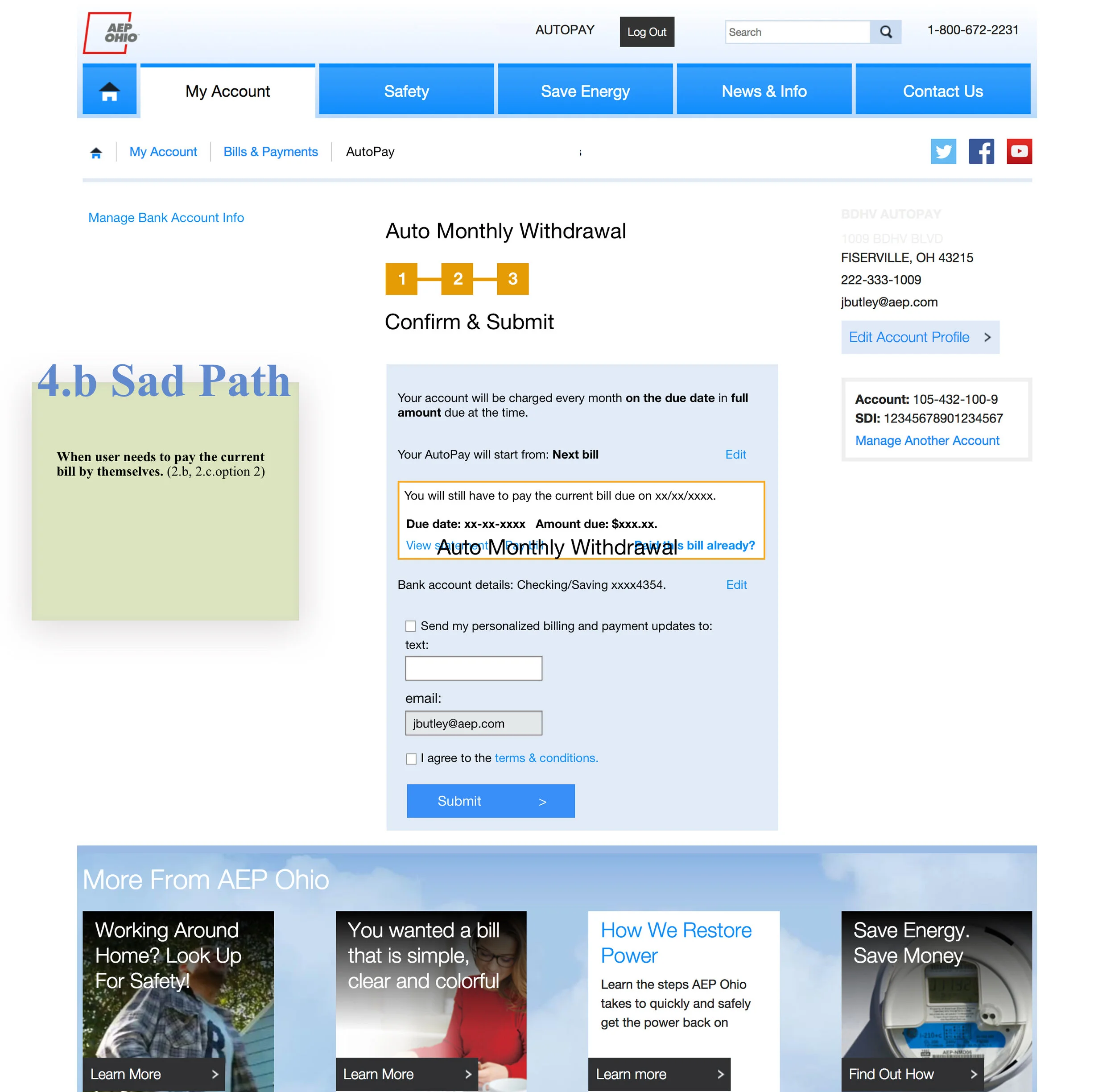
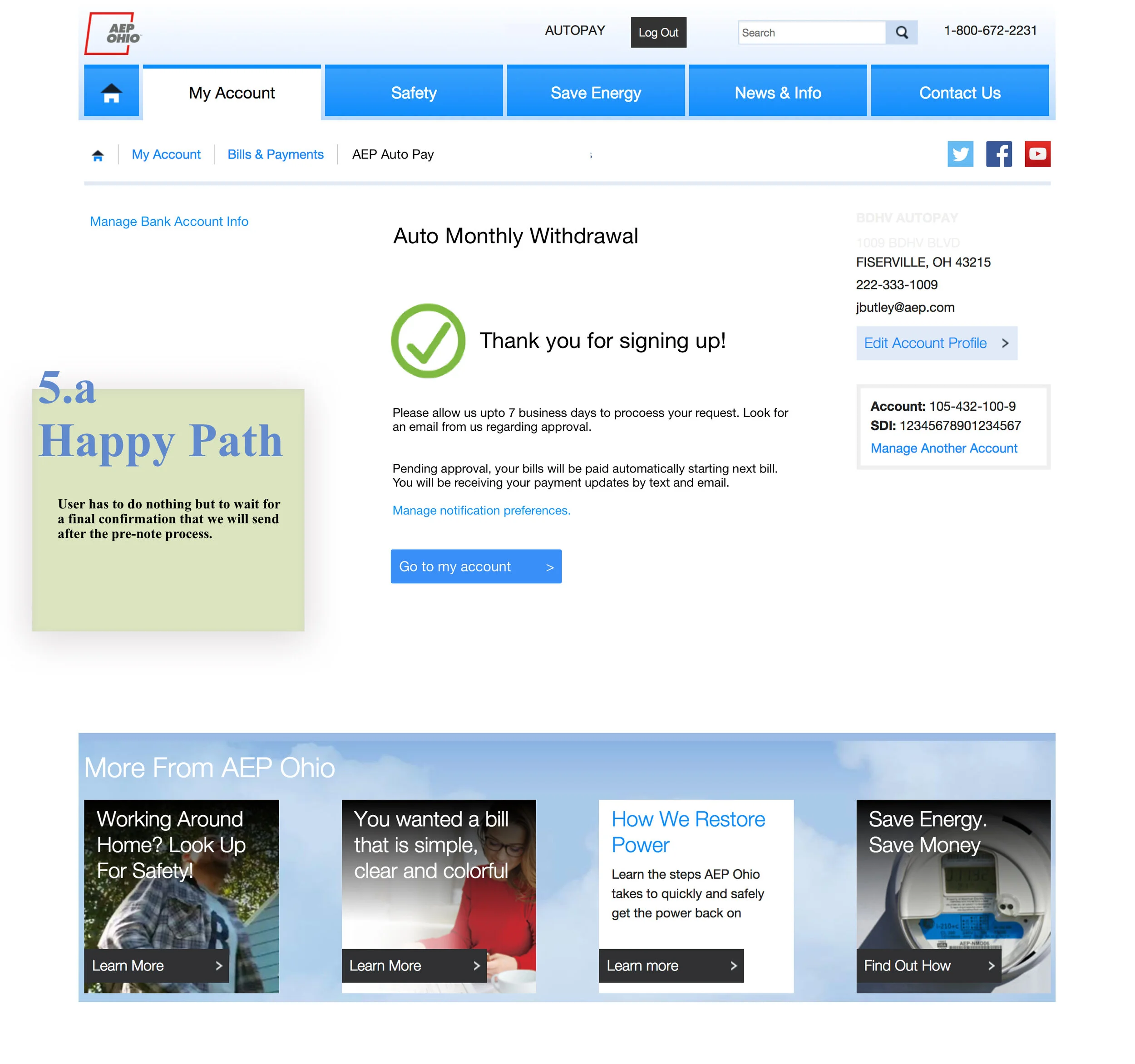
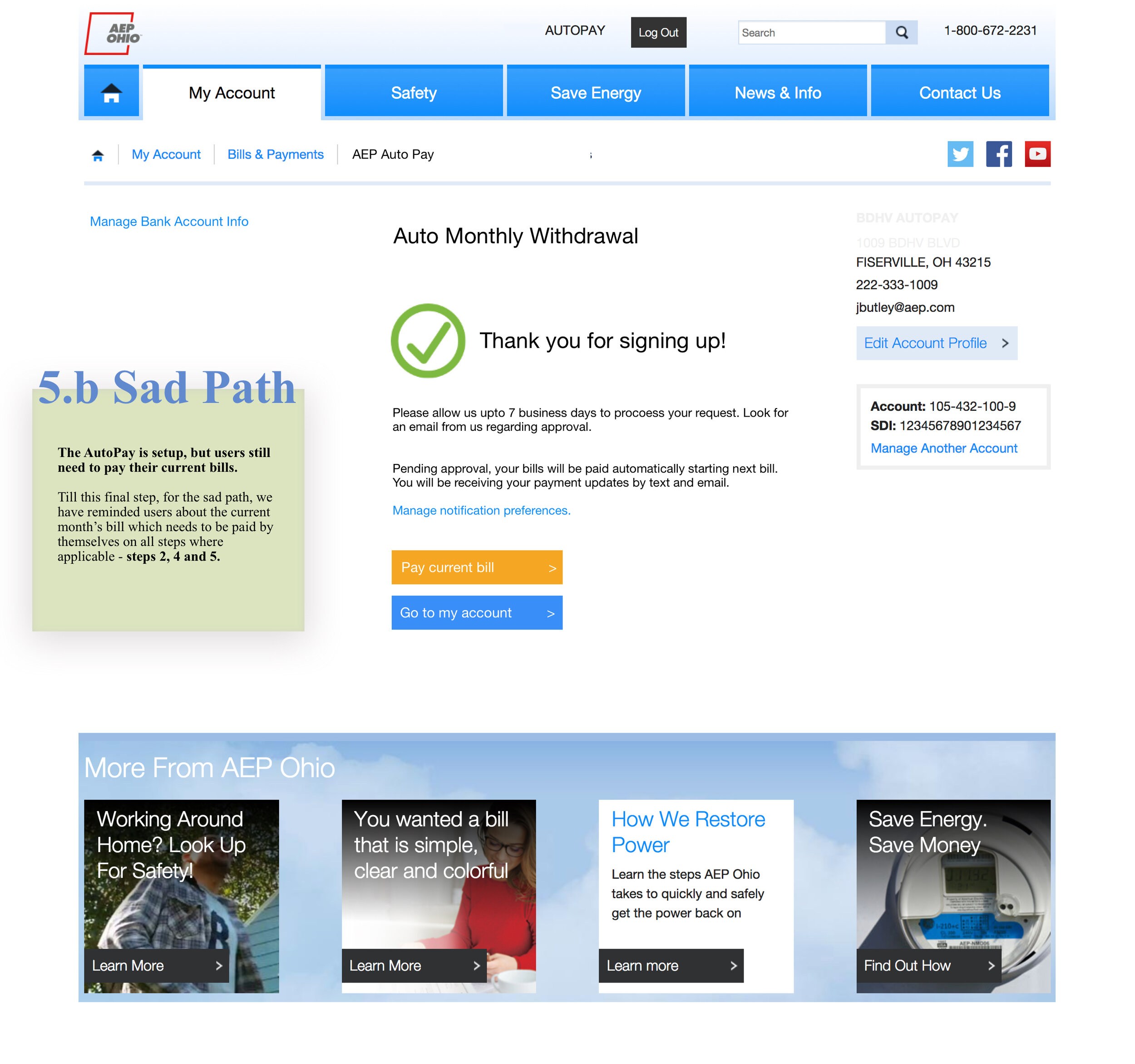
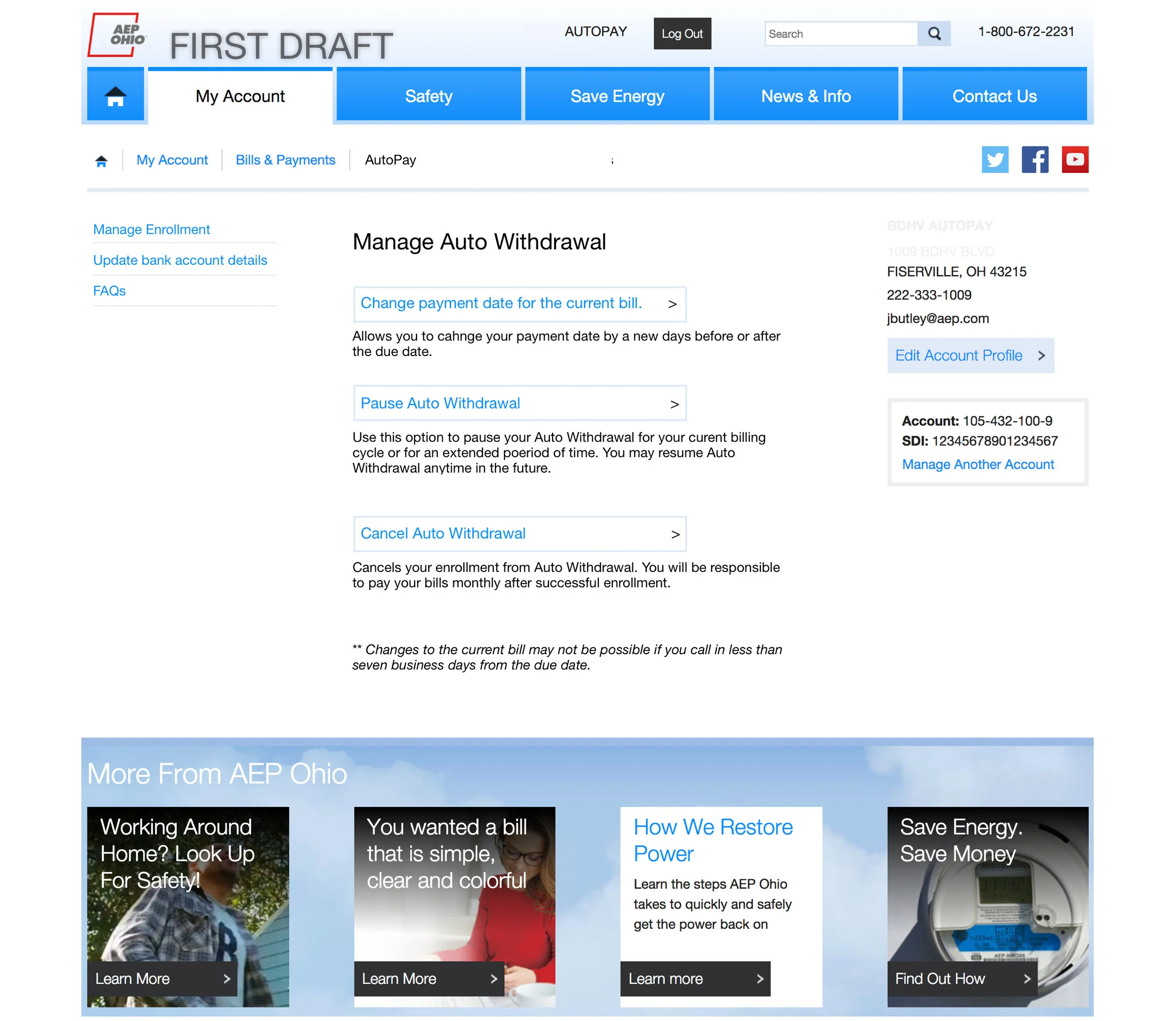
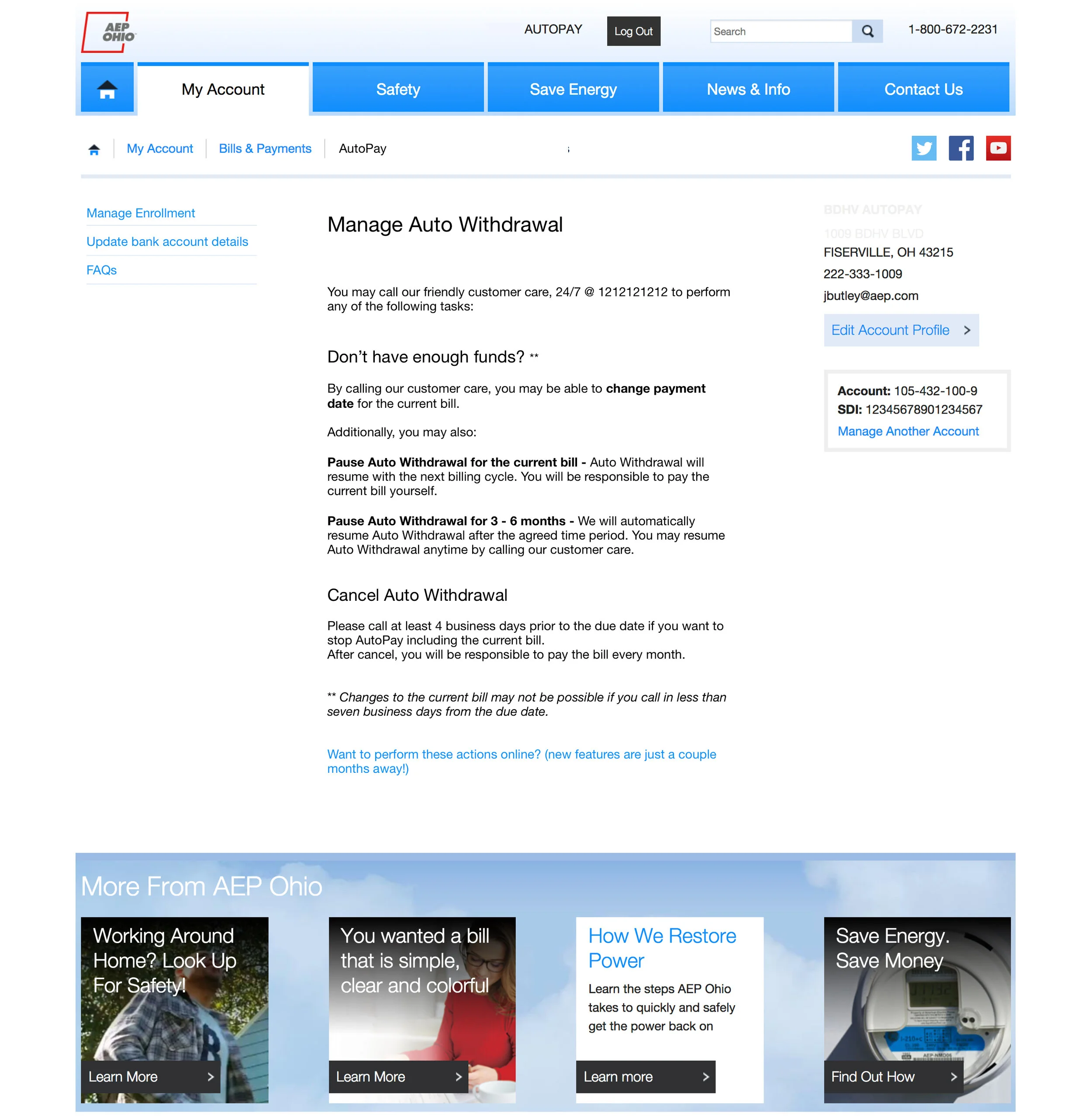
After several iterations based on informed research findings from user, business, and tech end, we came up with a simple workflow for new customers to setup automatic payments. It accommodated several edge cases including late payments, when a recently made payment has not come through yet, user has pending payments or bounced checks, etc. And also designed necessary features like stopping or pausing autopay, receiving notifications, paying in advance, etc.
Measuring impact
The management team anticipated a significant raise in auto-pay subscriptions with this design and a reduced amount of customer service inquiries related to auto-pay.
Based on the insights I shared, AEP later greenlit an initiative to create a unified payments experience.
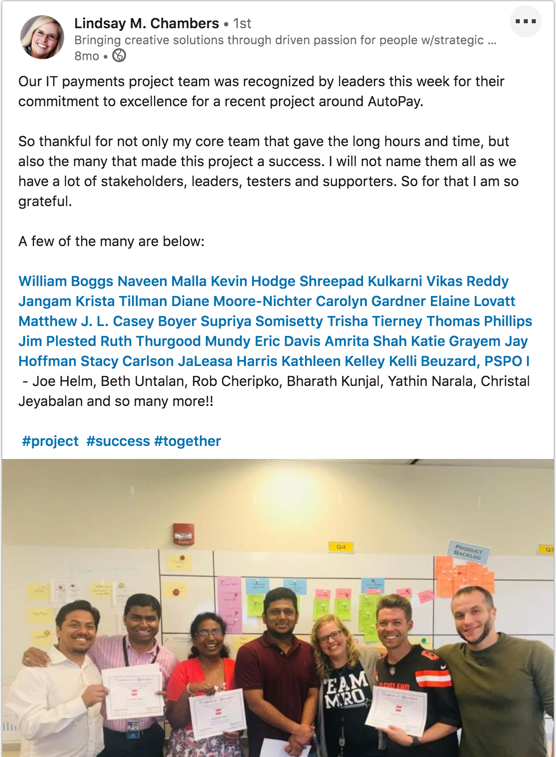
The sweetest win for me personally was to receive a shoutout from my boss over a year after I left the company, when the product was finally launched!
Reflection
I really enjoyed the responsibility, collaborative spirit, and the impact I was able to make in helping further the company’s CX.
Facilitating conversations - A wealth of knowledge about the product and the AEP ecosystem was hidden in everyone I was surrounded by. Asking questions and triggering conversations often helped me discover rare nuggets of information, which played a crucial role in shaping the product
Working with design systems and
The best part of it was that I made friendships and professional relationships there that will last a lifetime!