Optimizing Vehicle Manufacturing Operations
Generative Research & Product Design
Key Accomplishments
Discovered key problems impeding vehicle production quality on plant floors.
Spread awareness of the discovered problems and evangelised a shared vision among all stakeholders to address them.
Designed a mobile app which resulted in:
- Reducing communication delays on the plant floor by 30%.
- Enabling supervisors with critical and time-sensitive information.
- Automating arduous and redundant reporting.
- Digitizing People management and reporting of Quality issues.
Problem Space
Boost the vehicle production quality and speed by enabling vehicle assembly staff to work better :
- Discovering problems faced by Ford’s plant floor workers.
- Designing solutions for the identified problems.
- Boost their confidence in actions and skills.
Project Timeline
Discovery - Research
Methods: Contextual Inquiries, Interviews, Focus Groups, Design Probes.
- Lead research & product design
- Deriving key insights
- Designing product features
- Stakeholder alignment
- Tech. feasability evaluation
- Agile UX iterations & Dev-handoff
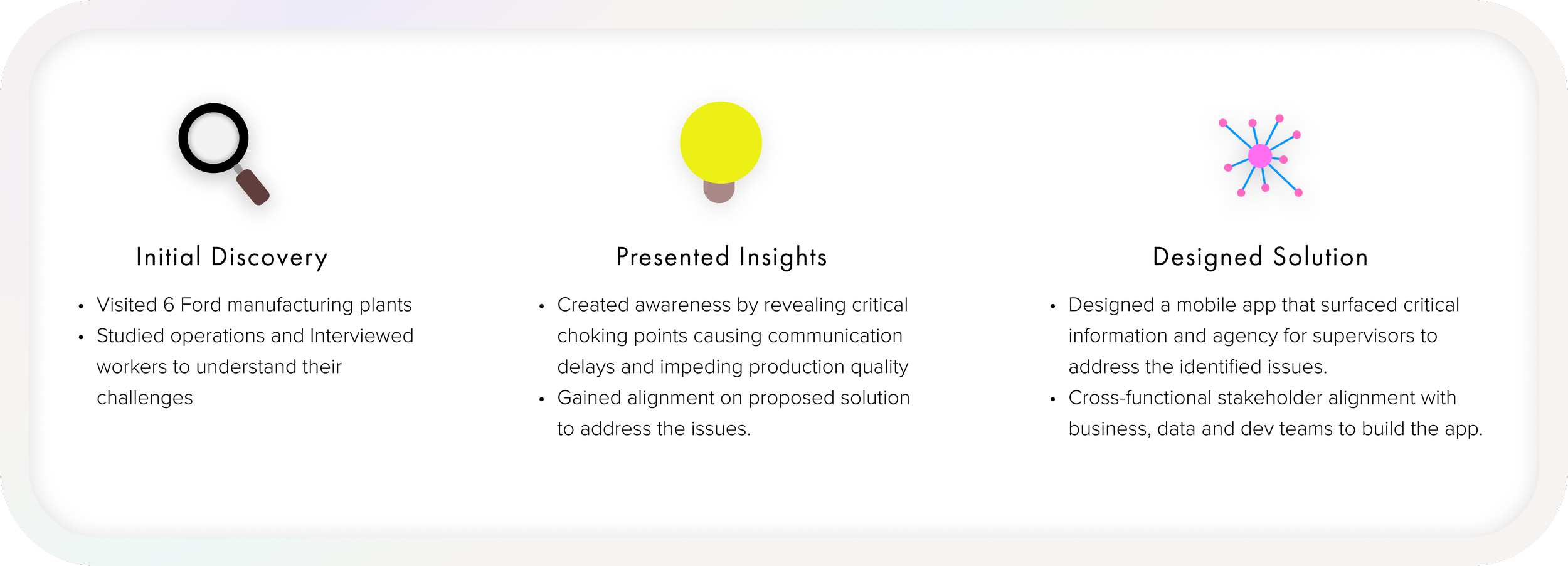
My Process & Responsibilities
- Research spanned over 1 year
- 6 Ford manufacturing plants visited
- 40+ users interviewed
- HCD Supervisor(my manager)
- (me) Project Lead, UX Research
- 1 Sr UX Researcher
Research Objectives
Based on the preliminary insights, I created the following research objectives to uncover and guide our research and discovery.
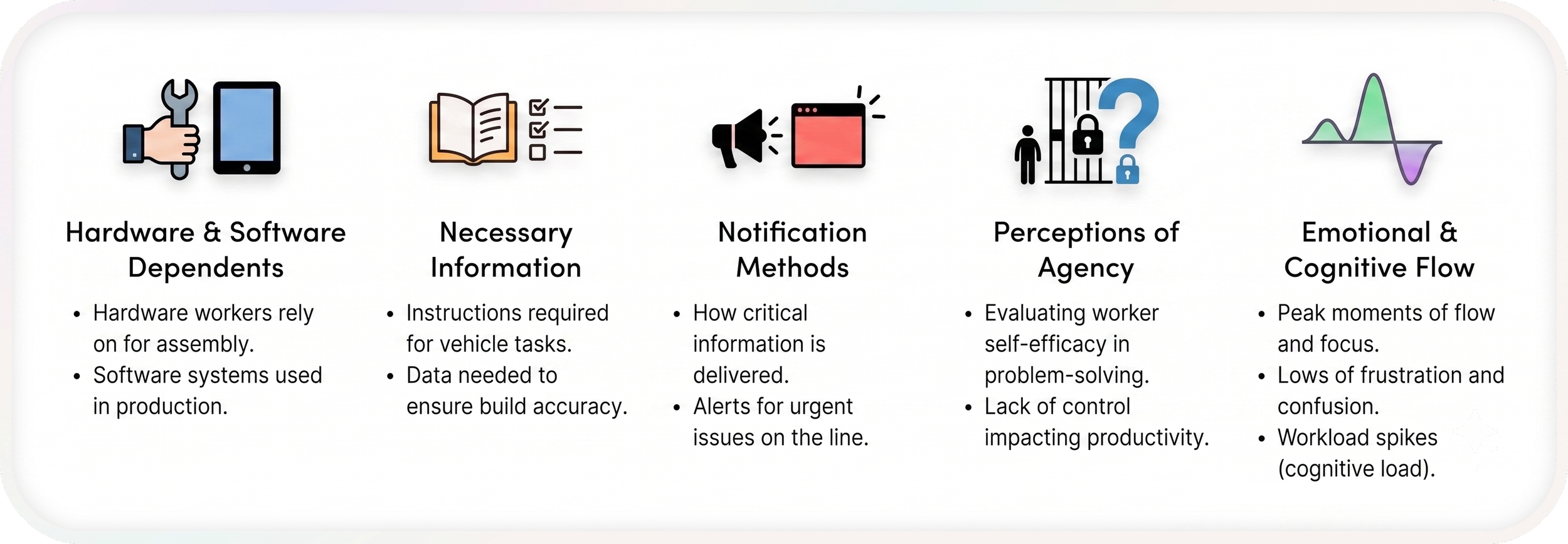
Research Methods
I employed a variety of research methods at different stages of discovery to extract valuable insights from users.
Contextual Inquiries and Shadowing - We began with the following around floor supervisors and workers as they went about their day. As supervisors kept busy and were always moving around, I later adapted to waiting for their downtime at their station while I gathered my observations and questions for them.
Follow-up Interviews - I would build rapport with supervisors and reach out to them for an offline interview, where I would ask further clarifications and follow-up questions regarding my observations.
Focus Groups and Design Probes - Further into our research trips, as broader insights started to appear, I conducted workshops with users where I asked them to envsion solutions to their problems. It helped me understand their mental models and also the know-how and technical constraints.
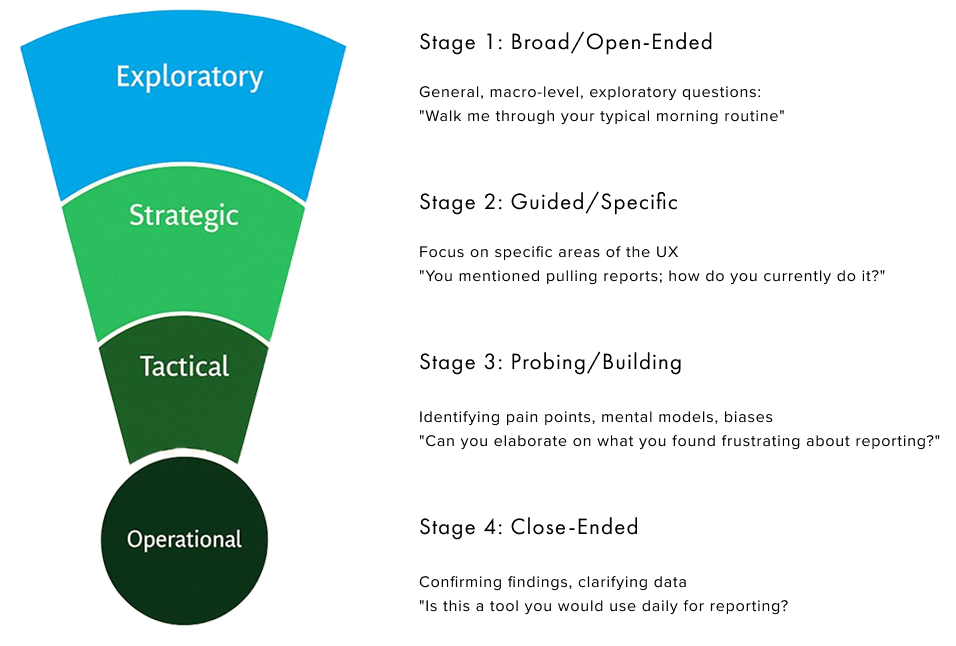
Qualitative Funneling - My approach to research on this project can be summed up in four stages
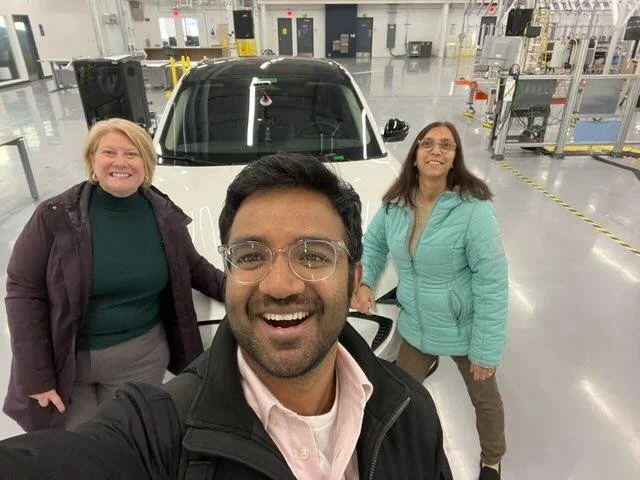
Our team and I at one of the Ford plants
- Designed in iterations with user feedback from Concept Testing and Co-design sessions
- Usability testing conducted
- 10 features designed
- 25+ screens designed
- HCD Supervisor(my manager)
- (me) Project Lead, UX Design & Strategy
- 1 Visual Designer
Insights
Methods - Affinity mapping, User Journey Mapping, Personas, Stakeholder Presentations, and workshops.
We discovered that lack of mobility, information access, awareness of urgent issues, and prioritization of issues were impeding workers and their supervisors from functioning with confidence and efficiency.
The finding we shared with the broader Manufacturing group helped pave the way to designing many solutions addressing the discovered problems.
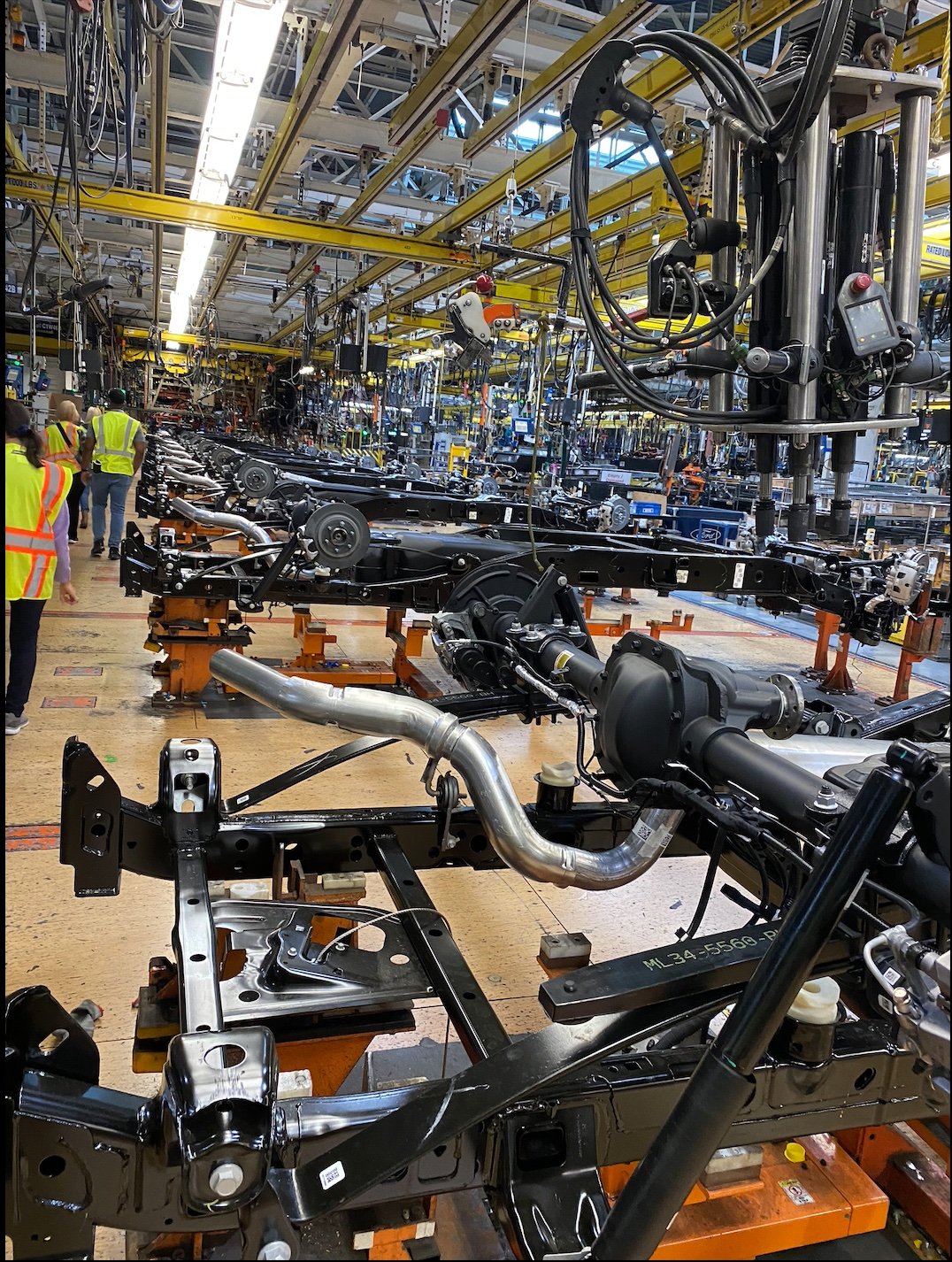
Walking down the Production Line.
My contribution - I was instrumental in discovering the challenges faced by Supervisors, who manage the plant floor workers.
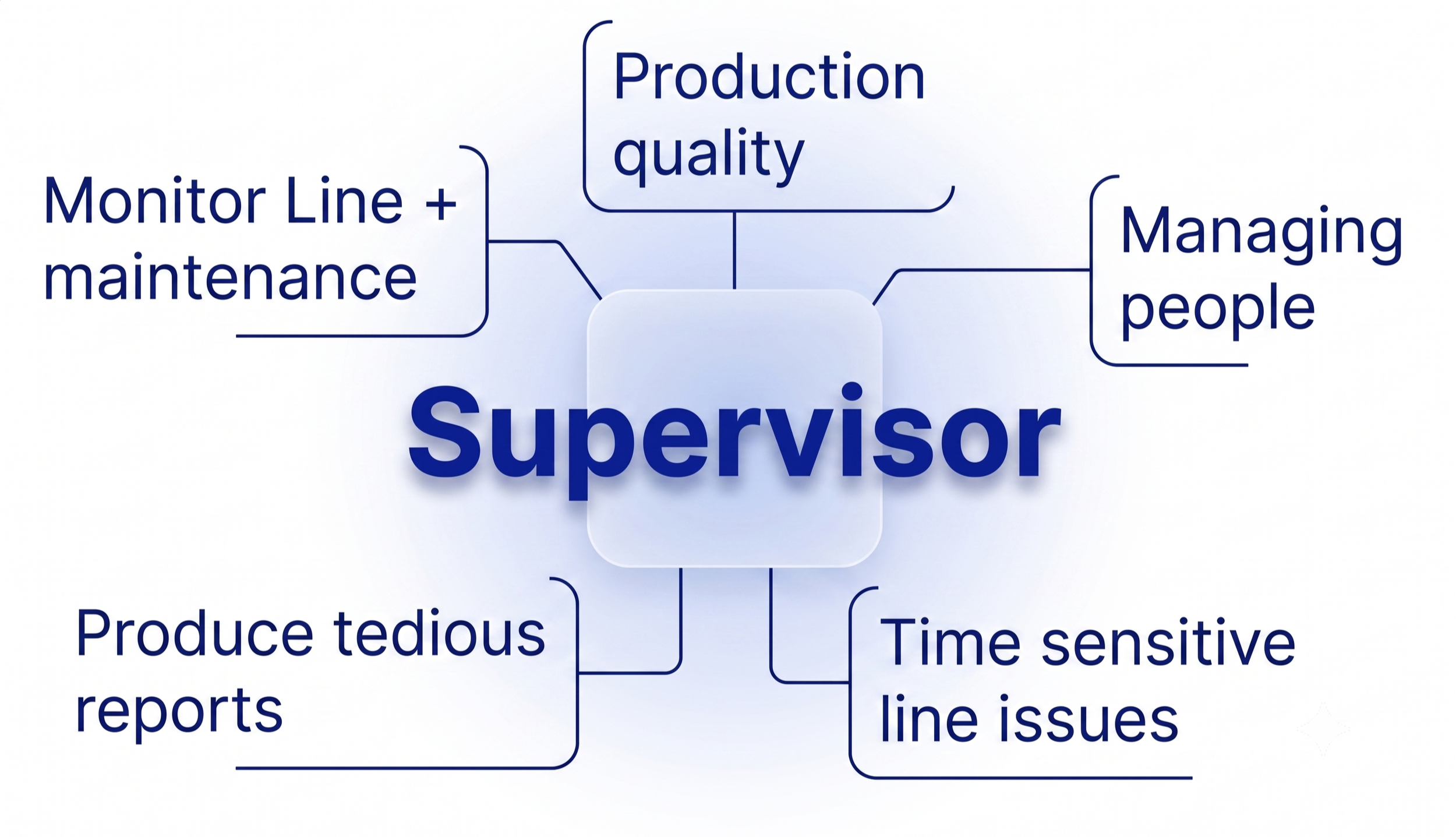
Supervisors were the most crucial line of control and were solely responsible for managing both the people and the vehicle production quality,
And we later learned that they were facing severe burnout caused by the workload and other stressors.
Challenges in Research
Jargon and Lack of context - As users would speak using acronyms, it was important for us to ask follow-ups until clear.
Lack of trust - Our team, being an outsider, representing the corporate, it was vital for us to win their trust and assure them that we were, in fact, advocating for their needs.
Semi-Structured Interviews - Given the nature of conversations, we adapted to having open-ended conversations instead of a rigid questionnaire.
The Pivot - Based on the findings, I proposed that addressing the needs of the Supervisors is the most impactful and value-for-money action for our team.
This led to me leading the design and development of the mobile applications to address supervisors’ needs.
- Ensuring the production line starts without any quality or supply issues
- Substitute missing staff on the production line before the shift starts
- Lack of awareness of urgent and ongoing issues
- Time lost in navigating unintuitive and disconnected software for getting critical information
- Solely responsible for managing 50+ workers they don’t personally know
- Constantly juggling multiple responsibilities of delegating, managing, QC, and reporting.
Designing Solutions
Methods: Co-design, Concept Testing, Usability studies
I solely led the efforts to solve the problems faced by Supervisors.
I designed a mobile app that brings the most crucial information and agency Supervisors need at their fingertips and accelerates plant-floor issue resolution.
Key Features:
Designed a mobile app which resulted in:
- Reducing communication delays on the plant floor by 30%.
- Proactively alerts supervisors of the pressing quality issues
- Enabling supervisors with critical and time-sensitive information.
- Automating arduous and redundant reporting.
- Digitizing People management and reporting of Quality issues.
Designing the Companion App
- I designed 7 unique product features, incorporating them into the mobile app to address the key user needs we determined.
- Conducted workshops and multiple usability reviews with the target users to ensure the design is meeting our goals
- Conducted stakeholder alignment workshops with other teams who would provide us with the data and infrastructure needed for the app, and also with the development team in charge of building the app.
- This led to several design revisions needed to accommodate both infrastructure-centric and political constraints, as building this product required looking at information and interactions in a way the Manufacturing organization had not looked before.
Design Principles
I devised the following design principles to help guide our design while staying true to the user's needs:
• Cannot be a chore, or come in the way of doing their work
• Error-free and NO false positives
• Easy to use with gloves on
• Minimal learning curve
• Gain the weary users’ trust over time by really meeting their needs and expectations.
We achieved these goals by:
- Co-design sessions with the supervisors
- Mimicking their existing practices where applicable
- Not replacing their human interactions with software
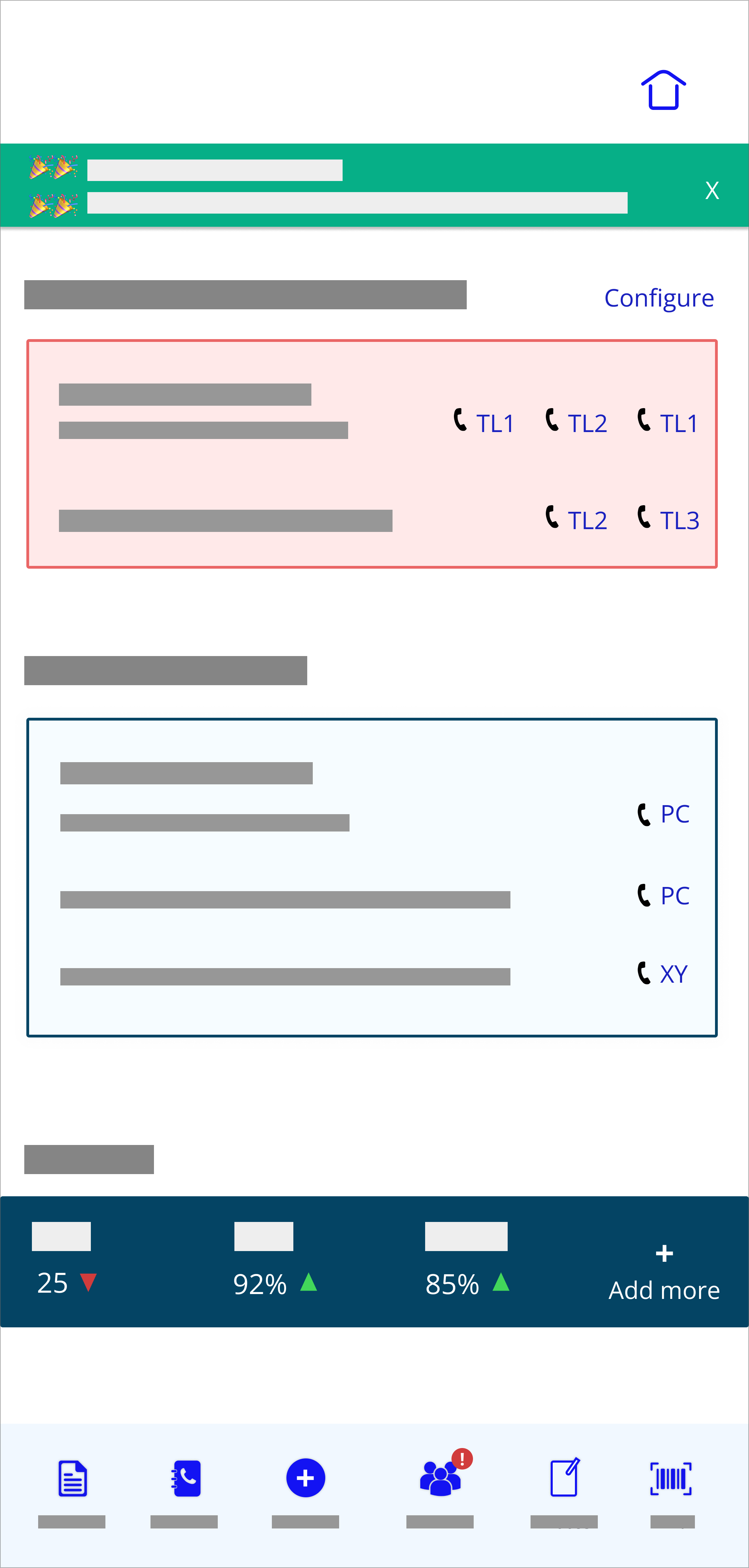
An early prototype mockup
My Role as the Project Lead - Design
UX Lead (me)
-Lead a team of a UX Designer and a Visual Designer to expand the design concepts into a complete app design
-Drive the UX Vision for the app
-Help the team empathize with user needs and constraints
-Help them understand the design and UX requirements for the app
-Provide them feedback and assistance where needed
My Role as the Project Lead - Development
-Talking to SMEs to understand the existing infrastructure
-Delegating negotiations with other teams for lending us the infrastructure needed to build our mobile app
-Handing off finalized design features and screens to developers in agile sprints
-Helping them understand the design and translate it into code
-Finding workarounds for features that may not be developed due to infrastructure or other constraints
Reflection
Launching new solutions in a large organization with established practices and limited infrastructure is challenging. Even more so when you are battling age-old practices and belief systems held by the teams you work or compete with. It requires conducting mutually beneficial negotiations with other teams, a thorough understanding of the underlying technologies and infrastructures, constant pivots, the ability to handle multiple changes to the intended design, etc.
This project also presented me an opportunity to officially lead a team of designers, and be an effective leader of the vision, delegator of the tasks, and a guide to the team when needed.